How Much Does a Plumber Cost to Fix, Unblock or Replace a Toilet?
The Toilet Calls I Get Every Single Week
Of all the call-outs I do across Western Sydney, toilet problems are up there with the most common — right alongside blocked drains and hot water dramas. Toilets cop a flogging every single day, so it's no surprise they're usually the first thing to play up in a house.
The questions are always pretty similar too: "how much to fix a running toilet," "what does it cost to unblock a toilet," and "is it cheaper to repair this old thing or just replace it?" Good questions, all of them, and the answers genuinely depend on what's gone wrong. So let's go through it properly — repairs, blockages, replacements, and when you can save yourself a call-out altogether.
If your toilet is overflowing right now, stop reading and go to our blocked drains page or call for emergency help — everything else here can wait until the water's under control.
What a Standard Toilet Repair Costs in Western Sydney
For a straightforward toilet repair — a running cistern, a weak or failing flush, a leaking inlet valve, or a wobbly toilet that's come loose from the floor — you're typically looking at somewhere between $120 and $280 in the Western Sydney market. That figure usually covers the call-out, diagnosis, and the fix itself if it's a standard part.
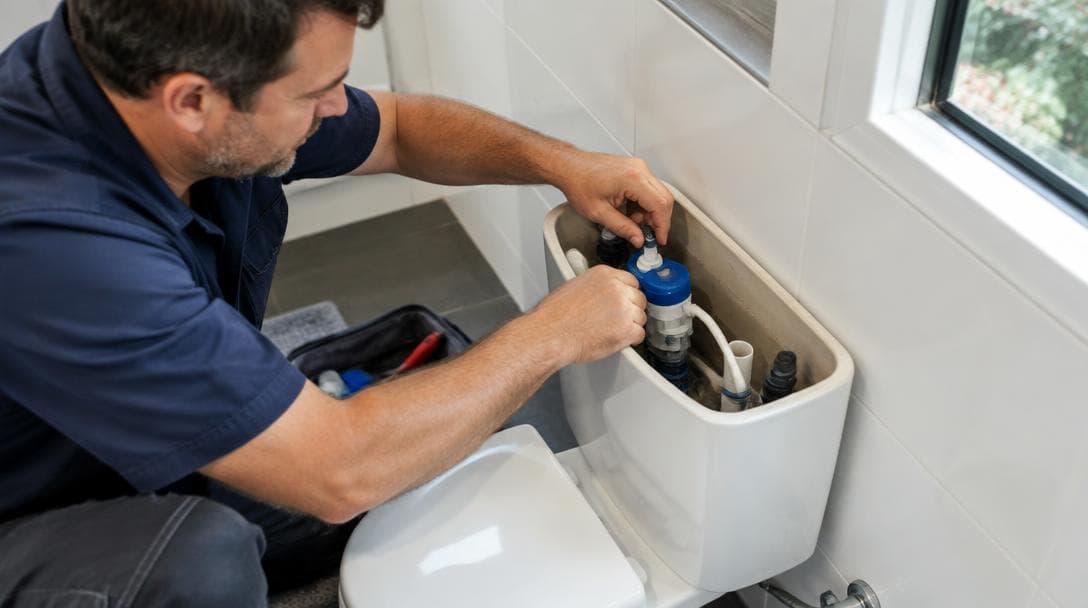
Running toilets are the single most common job in this category, usually caused by a worn-out flush valve seal or a dodgy inlet valve (the thing people still call a "ballcock" even though most are the newer float-cup style now). These are inexpensive parts, but labour and access can still push the job toward the higher end if your cistern is an older style that's harder to source parts for.
A toilet that rocks or leaks at the base is a bit more involved — it usually means the wax or rubber seal between the toilet and the floor outlet has failed, and the plumber will need to lift the toilet off completely to replace it. That's more labour, so expect a price closer to $180–$280 rather than the lower end.
- Running toilet / faulty inlet valve: $120–$220
- Weak or failing flush mechanism: $130–$230
- Toilet rocking or leaking at the base (reseal): $180–$280
- Leaking cistern connection or inlet pipe: $140–$250
Blocked Toilet Plumber Costs: Why Prices Vary So Much
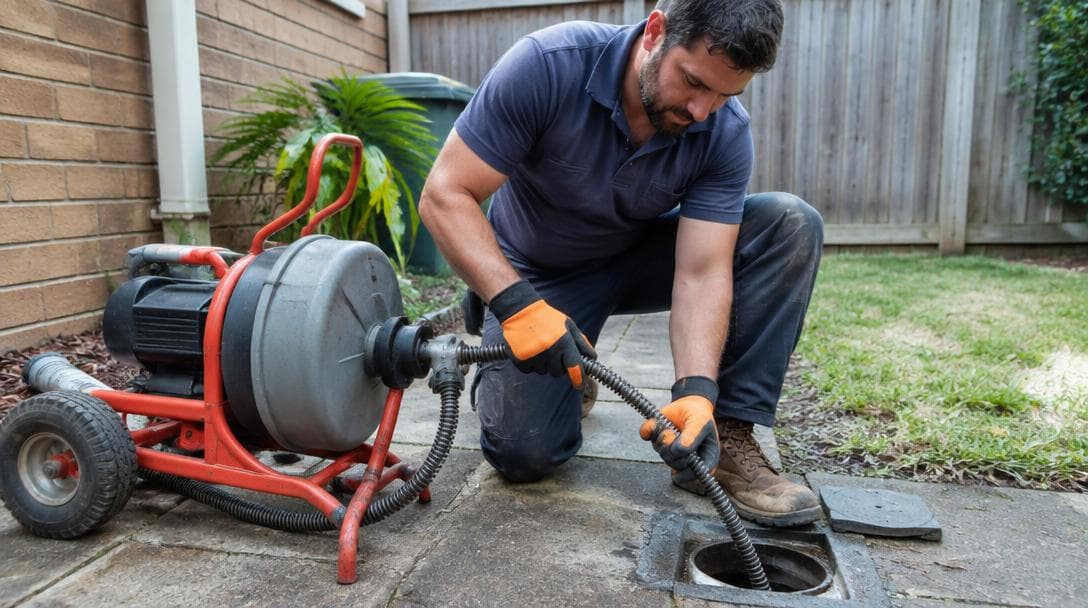
A blocked toilet plumber call-out in Western Sydney generally runs from $150 to $450, and the gap between those two numbers comes down almost entirely to how stubborn the blockage is and what's causing it. A simple blockage near the bowl that clears with an auger or a good plunge is on the cheaper end. A blockage further down the line — especially one caused by tree roots or a collapsed section of pipe — pushes the price up fast.
Western Sydney has a lot of older housing stock with ageing clay pipework, particularly through suburbs around Blacktown, Penrith and parts of the Hills District, and clay pipes are notorious for cracking and letting tree roots in over the decades. If your toilet keeps blocking even after a clear, that's often the real culprit, not whatever got flushed last Tuesday.
If a plumber needs to bring in a CCTV camera to find out what's actually going on underground, that adds to the cost but can save you money long-term by pinpointing the exact problem instead of guessing. For a full breakdown of blockage pricing generally, our blocked drain cost guide covers this in more depth.
- Simple blockage cleared with auger/plunger: $150–$280
- Stubborn blockage requiring heavier equipment: $250–$400
- Blockage caused by tree roots or pipe damage: $350–$450+
- CCTV drain camera inspection (if needed): often $150–$350 extra, see pipe relining
What Actually Causes a Blocked Toilet
Most blocked toilets I get called to aren't actually the toilet's fault — they're caused by what's gone down it. Wet wipes are public enemy number one, even the ones labelled "flushable," because they don't break down like toilet paper does. Nappies, sanitary products, cotton buds and paper towel are the other repeat offenders.
Beyond that, structural issues matter a lot. Older toilets with narrower trapways block more easily than modern ones. Ageing or cracked pipework, tree root intrusion, and poor original pipe gradient (common in some older estates where the fall wasn't quite right to begin with) all make blockages more frequent no matter how careful you are about what you flush.
- Wet wipes, even "flushable" ones
- Nappies, sanitary items, cotton buds
- Excess paper towel or tissue
- Tree root intrusion in ageing clay pipes
- Poor pipe gradient in some older homes
- A worn or outdated toilet with a narrow trapway
Repair or Replace? How to Make the Call
This is the question I get asked most once I've had a look at an older toilet. My rule of thumb is pretty simple: if the toilet is under about ten years old and the problem is a single component — a valve, a seal, a flush mechanism — repair it. Parts are cheap and the porcelain itself rarely wears out.
If the toilet is considerably older, cracked, constantly needing attention, or using an old high-flow cistern that burns through water, replacement often makes more financial sense over a couple of years. Older toilets can use up to three times the water per flush compared to a modern dual-flush model, so a $450–$700 replacement can quietly pay part of itself back on your water bill over time.
Cracks in the bowl or cistern are a hard stop for repair, every time — a cracked toilet is a when-not-if situation for a bigger leak, sometimes one that runs for weeks unnoticed and does real damage to flooring underneath. If you spot a hairline crack, don't wait it out.
Cost to Replace a Toilet in Western Sydney
A full toilet replacement — removing the old unit and installing a new one — typically costs between $450 and $900 for a standard installation, including the plumber's labour, when you supply or jointly choose a standard mid-range toilet suite. That range covers disconnecting and removing the old toilet, checking and resealing the floor outlet, connecting the new unit, and testing the flush.
The toilet itself adds to that. A basic back-to-wall suite might cost $200–$450 from a hardware store or bathroom supplier, while a quality wall-faced or in-wall cistern system can run $800–$2,000+ once you include the concealed cistern unit. If you're replacing a toilet as part of a broader bathroom refresh, it's worth reading our bathroom plumbing cost guide to see how it fits into a bigger renovation budget.
Complications can push a replacement toward the higher end — if the existing outlet position doesn't line up with a new toilet's design, if the floor needs patching, or if old fittings have corroded and need extra work to remove cleanly.
- Standard toilet replacement (labour only): $450–$900
- Budget toilet suite: $200–$450
- Mid-range toilet suite: $450–$800
- Wall-faced / concealed cistern system: $800–$2,000+
- Extra charges possible for floor repair or outlet realignment
What Can Make the Price Higher Than Expected
A few things regularly turn a straightforward toilet job into a bigger one. If the shut-off valve behind your toilet has corroded shut (very common in older homes that haven't had plumbing touched in decades), the plumber may need to replace that valve too, or even isolate water at the meter temporarily.
Access can be an issue in tight ensuites or older bathrooms where there's barely room to kneel beside the toilet, which slows the job down. And if your home still runs on old galvanised or ageing copper supply lines, connecting a new toilet properly sometimes reveals other ageing fittings nearby that genuinely need attention rather than being ignored.
- Corroded or seized shut-off valve needing replacement
- Tight access in small or older bathrooms
- Outdated or ageing supply pipework nearby
- Floor damage discovered once the old toilet is removed
- Mismatched outlet position between old and new toilet
What You Can Safely Try Yourself First
Not every toilet issue needs a plumber, and I'd rather tell you that honestly than have you pay a call-out fee for something you could've sorted in five minutes. A mild blockage is worth trying a proper plunger on first — a flange plunger (the kind with the extra rubber lip, not the flat cup type meant for sinks) does a far better job on toilets.
A running toilet is often fixable by checking the flapper or flush valve seal inside the cistern, which is a cheap part from any hardware store, and a reasonably confident DIYer can usually swap it themselves in twenty minutes with the water isolated first. If your toilet is rocking slightly, check whether it's simply the fixing bolts at the base that have loosened — tightening them gently can solve it without any plumbing work at all.
Where I'd stop and call a professional: if a plunger hasn't cleared it after a few decent attempts, if water is coming up rather than going down, if you can hear gurgling in other fixtures when you flush (a sign the blockage is further down the line, not just in the bowl), or if there's any sign the leak has reached the subfloor. Those situations need proper diagnosis, sometimes with a drain camera, and pushing on yourself can make things worse or more expensive.
- Try a flange plunger before calling anyone for a mild blockage
- Check and replace the flapper/flush valve seal for a running toilet
- Tighten base fixing bolts if the toilet feels wobbly
- Know your water shut-off location before attempting any DIY
- Stop and call a plumber if gurgling, overflow, or subfloor leaks appear
How to Choose the Right Plumber for Toilet and Bathroom Work
Toilet work seems simple, but it's a job where a rushed or careless fix causes real damage — a poorly sealed toilet can leak quietly under the floor for months before anyone notices, and by then you're looking at subfloor replacement instead of a $200 reseal. Choose a plumber who's licensed, insured, and willing to explain exactly what they found before they start charging for fixes.
It's worth asking whether they warranty their sealing work specifically, since that's the part most likely to fail if rushed. A plumber who regularly works across Western Sydney suburbs — Penrith, Blacktown, The Hills District and out toward Riverstone — will have seen the full range of older and newer toilet setups and won't be guessing when they walk in the door.
Check reviews for honesty rather than just praise — a plumber who's willing to tell past customers "this one doesn't need replacing yet" is one who'll tell you the same thing. Have a browse through our testimonials for examples of the kind of detailed feedback worth looking for from any plumber, not just us.
- Confirm current NSW plumbing licence and insurance
- Ask if the sealing/installation work is warrantied
- Ask for a written, fixed price before work starts
- Check they service your specific suburb regularly
- Look for reviews mentioning honest repair-vs-replace advice
Questions Worth Asking Before You Book
A short phone call before booking tells you a lot. Ask whether the quoted price includes parts or just labour, since toilet parts vary a lot in cost depending on the brand and age of your cistern. Ask what happens if they get there and find the blockage is further down the line than expected — a fair plumber will tell you upfront how that changes the price rather than springing it on you afterward.
It's also fair to ask whether they'll reuse your existing toilet where possible or recommend replacement, and why. If every answer defaults to "replace it," regardless of the actual condition, get a second opinion — plenty of toilets have years of life left with a $150 part replacement instead of a $600 overhaul.
- Does the quote include parts, or labour only?
- What happens if the blockage is further down the drain line?
- Will you try a repair before recommending full replacement?
- Is there a warranty on the seal and installation?
- Can I get a written quote before anything starts?
Preventing the Next Blocked or Broken Toilet
A bit of prevention goes a long way with toilets. Stick to the golden rule — only toilet paper and human waste go down the toilet, nothing else, no matter what the packaging claims about being flushable. Keep a small bin in the bathroom for wipes, cotton buds and sanitary items instead.
If your home has mature trees near the sewer line, it's worth getting a drain camera inspection every couple of years, especially in older Western Sydney suburbs with established gardens and ageing clay pipework. Catching root intrusion early is a fraction of the cost of dealing with a full collapse later, and it's the kind of maintenance job worth keeping in mind alongside your hot water servicing — have a look at our specials page occasionally for seasonal offers on inspections.
And if your toilet is pushing fifteen-plus years old and you're already calling a plumber out for repairs more than once a year, it's genuinely worth getting a replacement quote rather than continuing to patch it up piece by piece.
A Real Job: The "Just a Blockage" That Wasn't
I got called to a house in Rooty Hill a while back where the toilet had been blocking every couple of weeks for about six months. Each time, the homeowner called a different cheap operator off a classifieds ad, paid $100 or so for a quick auger clear, and moved on with life until it happened again. By the time I turned up they'd spent close to $600 on "quick fixes" for the same recurring problem.
A camera inspection took twenty minutes and showed exactly what was going on — tree roots from a jacaranda three doors down had worked into a cracked section of old clay pipe about four metres out from the house. No amount of augering was ever going to fix that permanently; it was always going to come back until the damaged section got relined. Once we sorted the actual problem with a pipe relining job, the toilet hasn't blocked since.
The moral isn't that cheap plumbers are always wrong — plenty aren't. It's that if the same problem keeps coming back, it's worth paying for a proper diagnosis once instead of paying for the same band-aid five times over. In the end it would've been cheaper to get the camera out on visit two.
Common Mistakes That Cost You More in the Long Run
The biggest one I see is ignoring a toilet that rocks slightly at the base. People assume it's just loose bolts and live with it for months, not realising the seal underneath has likely failed and water is seeping into the subfloor with every flush. By the time it's noticed, you're often looking at replacing damaged flooring on top of the original reseal.
Another common mistake is flushing "flushable" wipes regularly and assuming the toilet is fine because it's not blocking yet — these build up slowly in the pipe rather than causing an instant blockage, and often the first sign is a blockage much further down the line that's harder and more expensive to clear than if it had happened right at the bowl.
The Bottom Line on Toilet Repair and Replacement Costs
Most toilet repairs in Western Sydney land somewhere between $120 and $450 depending on whether it's a simple valve fix or a stubborn blockage, while a full replacement generally runs $450 to $900 in labour plus the cost of the toilet itself. The honest advice is to repair where you can, replace where the toilet is old, cracked, or costing you more in water than it's worth keeping.
If you're dealing with a blocked or broken toilet right now and want a straight answer rather than a guess, get in touch through our contact page, or if it's genuinely urgent, head to our blocked drains or emergency plumber pages. And if you want more detail on related jobs, our blog has guides on everything from leak repairs to full bathroom renovations.
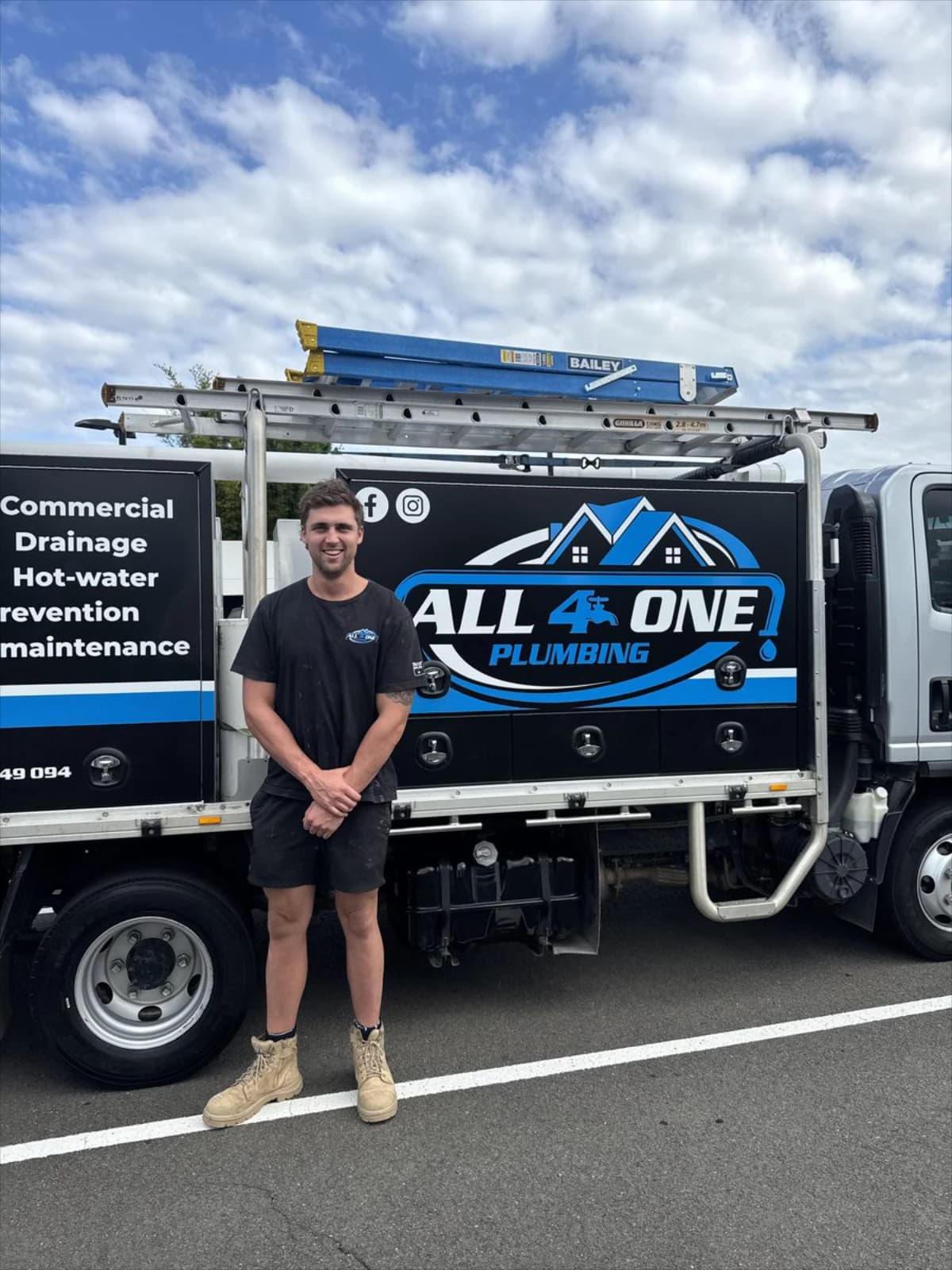
Joshua
Joshua is the licensed plumber behind Plumber Western Sydney. He's spent years on the tools across Western Sydney, the Blue Mountains and Lithgow — everything from midnight burst pipes to full bathroom rough-ins. He writes these guides the way he talks on a job: straight answers, honest prices, and no upselling.
Toilet blocked right now?
A plumber answers 24/7, and you'll know the price before we start.