How Much Does a Plumber Cost to Fix a Leak?
Why "how much to fix a leak" never has a one-line answer
I get this question on the phone probably five times a day: "mate, how much to fix a leak?" And every time I have to say the same thing - it depends what's leaking, where it is, and how long it's been going on for. I know that's not the answer anyone wants when they're standing in a puddle, but it's the honest one.
A leaking tap washer is a twenty-minute job. A leak under a concrete slab that's been running for six months and has taken out the hallway carpet is a completely different animal, both in cost and in what's actually involved. Before you panic about the price, it helps to understand what actually makes up the bill, because most of the cost in leak repairs isn't the parts, it's the labour to find the leak and the access work to get to it.
I've been doing this around Western Sydney for a long time now, working on everything from 1960s fibro houses in Penrith with galvanised pipe still in the walls, to brand new builds out in the growth corridors. The leaks are different, the costs are different, and in this guide I want to walk you through real numbers so you're not guessing when a plumber gives you a quote.
Typical leak repair price ranges in Australia (2026)
These are market ranges I see quoted around Sydney, not a price list for any particular business - treat them as a guide to sense-check a quote, not a promise of what you'll pay. Every property is different.
- Dripping tap or mixer washer/cartridge replacement: $100-$220
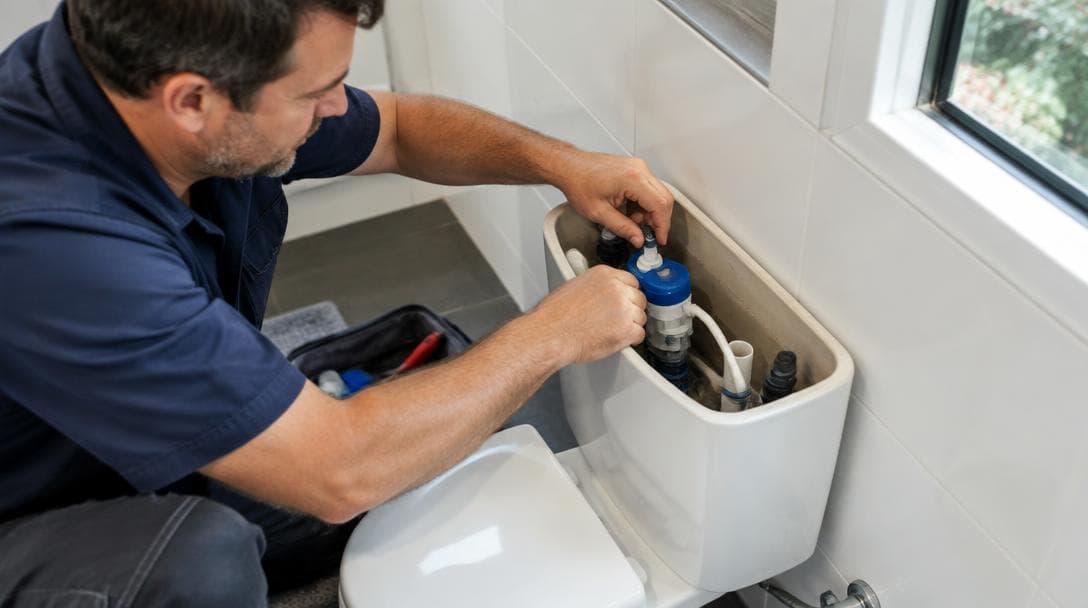
- Leaking toilet cistern or inlet valve: $120-$280 (see our full toilet repair costs breakdown)
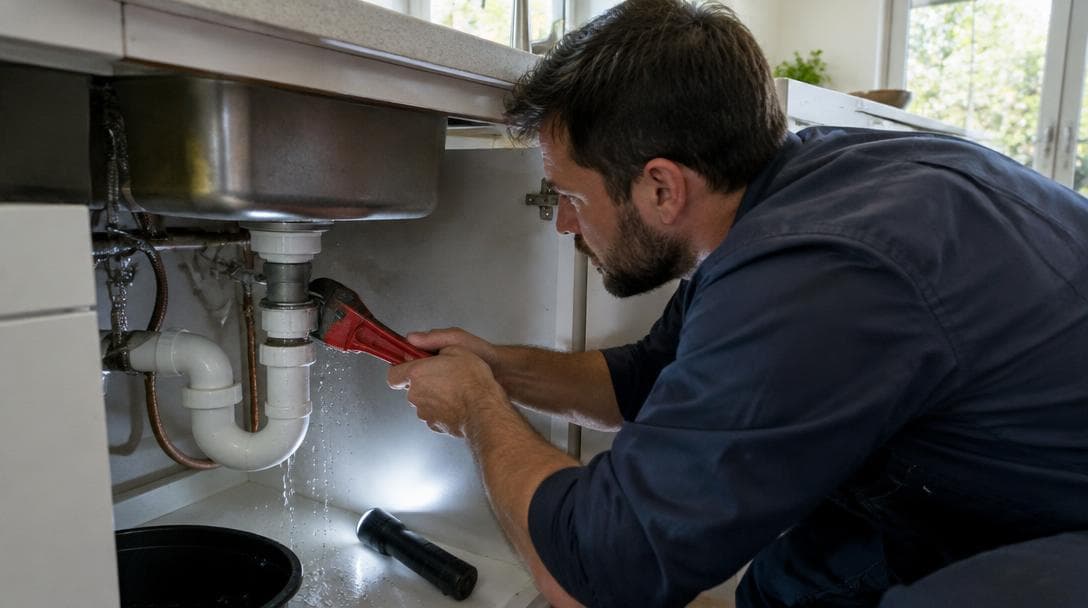
- Leaking pipe under a sink (accessible): $150-$350
- Leaking hot water system fittings: $180-$450 (sometimes cheaper to repipe than keep chasing drips on an old unit, more on hot water below)
- Leaking pipe in a wall cavity (plasterboard access): $350-$900 including patch repair of the wall by others
- Slab leak (leak detection plus excavation or reroute): $800-$3,500+
- Leaking external tap or garden line: $120-$300
- Water leak detection only (no repair, electronic/acoustic survey): $250-$600
What actually drives the price of a leak repair
Four things move the needle on cost every single time: access, location, cause, and urgency. A leak behind an easily removable access panel is cheap. The exact same leaking pipe three metres into a concrete slab under tiled flooring is a different job entirely, because now we're talking leak detection equipment, possibly a jackhammer, and reinstatement of flooring that isn't even part of the plumbing bill.
Older homes in our area are their own category. A lot of houses around Blacktown and the older pockets of Penrith still have original galvanised steel pipework from the 60s and 70s. Galvanised pipe corrodes from the inside out, so what looks like "one small leak" is often a pipe that's rusting through in multiple spots. Fixing just the visible leak on a pipe like that is sometimes false economy - you patch one spot and get a call-back three weeks later for a leak two metres further along. I'll always tell a customer honestly if I think that's what's happening, because a repeat call-out fee is money you didn't need to spend.
Location in the house matters too. A leak in a raised timber floor house is usually easier and cheaper to access than a leak under a concrete slab, because we can often get underneath through a subfloor manhole rather than cutting concrete. If you're not sure whether your place is slab-on-ground or has a subfloor, that's one of the first things worth telling the plumber on the phone, it changes the quote before anyone even arrives.
Water leak detection: when you need it and what it costs
Not every leak is obvious. The ones that worry me most are the ones you can't see - a spike in your water bill, a damp patch on the lawn that won't dry up, a hot spot on the slab floor near the hot water pipe run, or that constant trickle sound in the wall at 2am. These need proper leak detection before anyone starts cutting into anything.
Modern leak detection uses acoustic listening devices, thermal imaging, and sometimes tracer gas to pinpoint a leak to within a few centimetres without smashing up half your house guessing. It typically costs $250-$600 depending on how long it takes and what equipment is needed, and honestly, it's money well spent. I've seen homeowners let a mate "have a go" with a sledgehammer looking for a slab leak, only to open up three wrong spots before finding the right one. That ends up costing far more in concrete reinstatement than if we'd detected it properly the first time.
If your water bill has jumped and you can't see an obvious reason, turn off every tap in the house and check your water meter. If the little dial is still spinning, you've got a leak somewhere, and it's worth getting it looked at before it becomes a burst pipe emergency.
Repair or replace? The honest answer
This is where I think a lot of plumbers either oversell or undersell, and I try hard to sit in the middle and just tell people the truth. If a pipe is otherwise in good condition and it's a one-off leak from a joint failure or a nail through a wall, repair it. No argument. That's a $200-$500 job and it'll last.
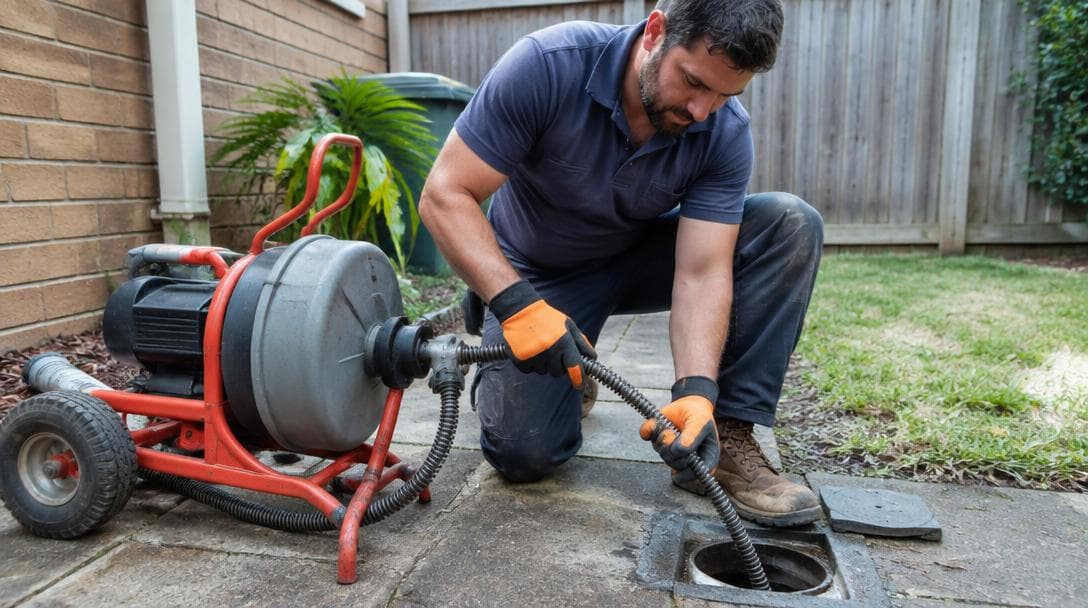
But if you've got old galvanised or old poly pipe that's leaking for the second or third time in twelve months, repairing again is usually just delaying the inevitable. At that point I'll talk to you honestly about repiping the affected section, or in some cases, pipe relining if it's a drain line rather than a pressure pipe. Relining in particular can save you from digging up a slab or a driveway, which on an older property can be the difference between a $1,200 job and a $6,000 job.
A good rule of thumb: if the repair costs more than 40-50% of what a proper reroute or reline would cost, and the pipe is old enough that more leaks are likely, I'll usually recommend you spend the extra and fix it properly once. If it's a newer system with one isolated issue, repair every time, no need to replace something that's basically fine.
Can you fix a leak yourself? Where DIY is fine and where it isn't
I'm not precious about this - plenty of small leaks are genuinely DIY-friendly, and I'd rather you save your money and have a crack than call a plumber for a $20 job.
A dripping tap is a classic DIY job if you're even a little bit handy. Turn off the isolation valve under the sink (or the mains if there isn't one), undo the tap, and have a look at the washer or cartridge inside. Most hardware stores will match you up with the right part if you bring the old one in. Same goes for a toilet that keeps running - often it's just the inlet valve or the flush valve seal, both cheap and straightforward to swap.
Where I'd draw the line is anything involving copper or gas, anything behind a wall or under a slab, or anything where you've had a go and it's still leaking. Soldering copper joints properly takes practice, and a botched DIY fix under a slab can trap moisture and cause mould problems that cost thousands to fix later, far more than the plumber's call-out would have been. And obviously, anything near a gas fitting is not a DIY zone, full stop, that's licensed work for a reason.
Red flags that mean "get someone out now, don't wait"
If you're seeing any of these, don't wait for a quiet weekend to deal with it. Leaks compound - a $300 fix today can become a $3,000 fix in two months once mould, timber rot, or electrical risk gets involved. I've walked into jobs where a $150 tap washer job six months earlier would have saved the homeowner a full bathroom floor replacement.
- Water pooling near electrical points, powerpoints, or the meter box
- A spongy, soft, or bouncy section of floor near a wet area
- A hissing or trickling sound inside a wall when all taps are off
- Mould or a musty smell that keeps coming back no matter how much you clean it
- A water bill that's jumped 30% or more with no change in usage
- Ceiling staining or bubbling paint below a bathroom
- Any leak near the gas meter or a gas appliance - this one's urgent, call an emergency plumber
What happens when a plumber comes to quote a leak
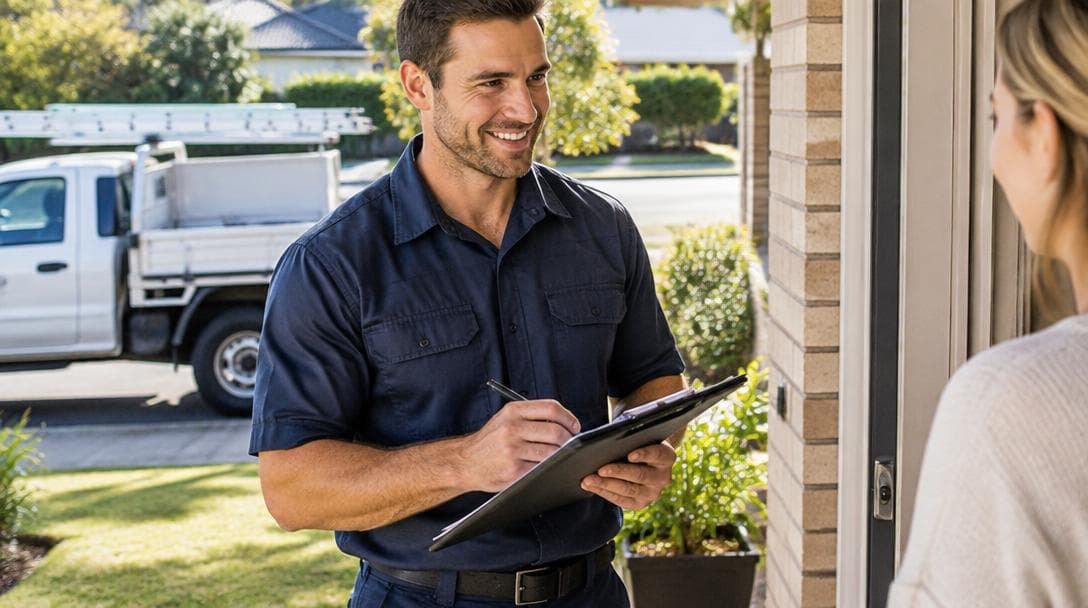
A decent tradesperson should ask a few questions before they even arrive - where's the leak, is it constant or only when a tap or appliance runs, how old is the house, and is it slab or subfloor. That helps us bring the right gear the first time instead of a wasted trip back to the van or the depot.
On site, expect us to isolate the water, try to visually confirm the source, and if it's not obvious, recommend leak detection before quoting a fix price. A good plumber will give you the quote before doing paid work, not after. If someone won't give you a number until the job's half done, that's a warning sign, walk away.
Ask these questions before you agree to anything: is this price fixed or an estimate, does it include any wall or floor reinstatement, what's the warranty on the repair, and is there a call-out fee if I decide not to go ahead. Any plumber worth using will answer all of these without getting defensive.
Hidden leaks and the slab problem - what Western Sydney homes deal with
A lot of our area was built up through the 70s, 80s, and 90s on slab foundations, which is great for cost at the time of building but a headache decades later when pipework starts to age. A slab leak is probably the single most expensive type of leak repair, because getting to the pipe means breaking concrete, and that's before you even think about the flooring above it.
The good news is that modern options have changed the game here. Instead of jackhammering a trench the length of the house, a plumber can often reroute the pipe through the roof space or walls instead of under the slab, avoiding concrete work altogether. Or for drain lines specifically, pipe relining lets us fix a cracked or leaking pipe from the inside without digging it up at all. Both options usually cost more than a simple patch, but far less than full slab excavation, and they avoid months of disruption.
If you're in an older home around the Hills District or Hawkesbury with original pipework, it's worth getting a plumber to do a general pipe condition check even if you don't have an active leak right now. Catching it before it fails is always cheaper than an emergency callout at 11pm on a Sunday.
Insurance and leaks - what's usually covered
This one trips a lot of people up. Most home insurance policies cover sudden and accidental damage from a burst pipe - think water damage to carpet or ceilings from a pipe that failed suddenly. What they typically don't cover is the cost of fixing the pipe itself, and they often won't cover damage from a slow leak that's been running for months, because that's considered a maintenance issue, not a sudden event.
This is exactly why it pays to deal with drips and small leaks quickly rather than letting them run. Beyond the plumbing cost, you could be looking at an insurance claim getting knocked back for the water damage because it wasn't sudden. If you do have a burst or sudden leak, get photos before and during any repair, and get an invoice that clearly states the cause - insurers usually ask for this.
Money-saving tips that actually work
- Fix small leaks immediately - a $150 tap repair now beats a $3,000 water damage job later
- Know where your water meter and mains shut-off valve are before you have an emergency, not during one
- Get leak detection instead of guesswork if you can't see the source - it's cheaper than multiple wrong-guess repairs
- Ask whether relining or rerouting is an option before agreeing to slab excavation
- Bundle jobs - if you need a leak fixed and you've also been meaning to sort a blocked drain or tired old tapware, ask for one visit, it often saves on call-out costs
- Keep your receipts and invoices - useful for insurance claims and for the next owner if you sell
- Check our specials page before booking - leak detection and repair offers come up reasonably often
What a typical leak call-out visit looks like, start to finish
If you've never had a plumber out for a leak before, here's roughly how it goes so you know what to expect. We'll usually ask you a few questions on the phone first - where you've noticed water, whether it's constant or intermittent, and how old the house is - so we can bring the right gear. On arrival, the first thing is isolating the water if it's an active leak, because stopping further damage matters more than anything else in that first five minutes.
From there it's diagnosis - visual inspection first, because plenty of leaks are obvious once you know where to look, like a corroded compression fitting or a cracked flexi hose. If it's not obvious, that's when leak detection equipment comes out. Once we've found it, you should get a clear quote with options where relevant, for example "patch repair for $280, or reroute the whole section for $650 which also fixes the two other ageing joints nearby". A good plumber gives you that choice rather than making the decision for you.
After the repair, we pressure test to confirm it's holding, and if it's in a wall or floor that needs patching, we'll usually suggest a plasterer or tiler if you don't already have one, though that part of the job isn't plumbing work. The whole visit for a straightforward leak is usually 1-2 hours; detection plus repair on something trickier can run to half a day.
How leak repair pricing compares across different trades
It's worth knowing that leak repair costs can vary a fair bit between businesses, and the cheapest quote on the phone isn't always the best value once you're standing there with an open wall. Some outfits quote low to get in the door and then find "extra" work once they're on site. Others build a thorough inspection into the price upfront so there are fewer surprises later.
A fairer way to compare quotes is to ask what's included - is leak detection part of the price or extra, is there a warranty on the repair, and does the quote assume best-case access or has someone actually looked at your situation. A $180 quote given over the phone without anyone seeing the job isn't really comparable to a $280 quote given after someone's had a proper look. Apples to apples, not just the number on the page.
If you've had leak issues before, or you're dealing with an older property, it's also worth reading our broader guide on what a plumber costs generally, and keeping an eye on our blocked drain costs article too, since drainage leaks and blockages often get mistaken for each other by homeowners before a plumber confirms which one it actually is.
The bottom line
A leak repair in Western Sydney can realistically cost anywhere from $100 for a tap washer to several thousand for a slab leak with detection and reinstatement. The number depends almost entirely on access and cause, not the plumber you choose. What does change with the plumber you choose is whether you get an honest diagnosis, a fair quote upfront, and a repair that actually lasts rather than one you'll be paying for again in six months.
If you're dealing with a leak right now, don't sit on it. Have a read of our broader guide on what a plumber costs generally if you want the full picture beyond leaks, or just get in touch and tell us what you're seeing - drip, damp patch, high bill, whatever it is - and we'll point you in the right direction honestly, even if that direction is "grab a $12 washer from the hardware store and you'll be sweet."
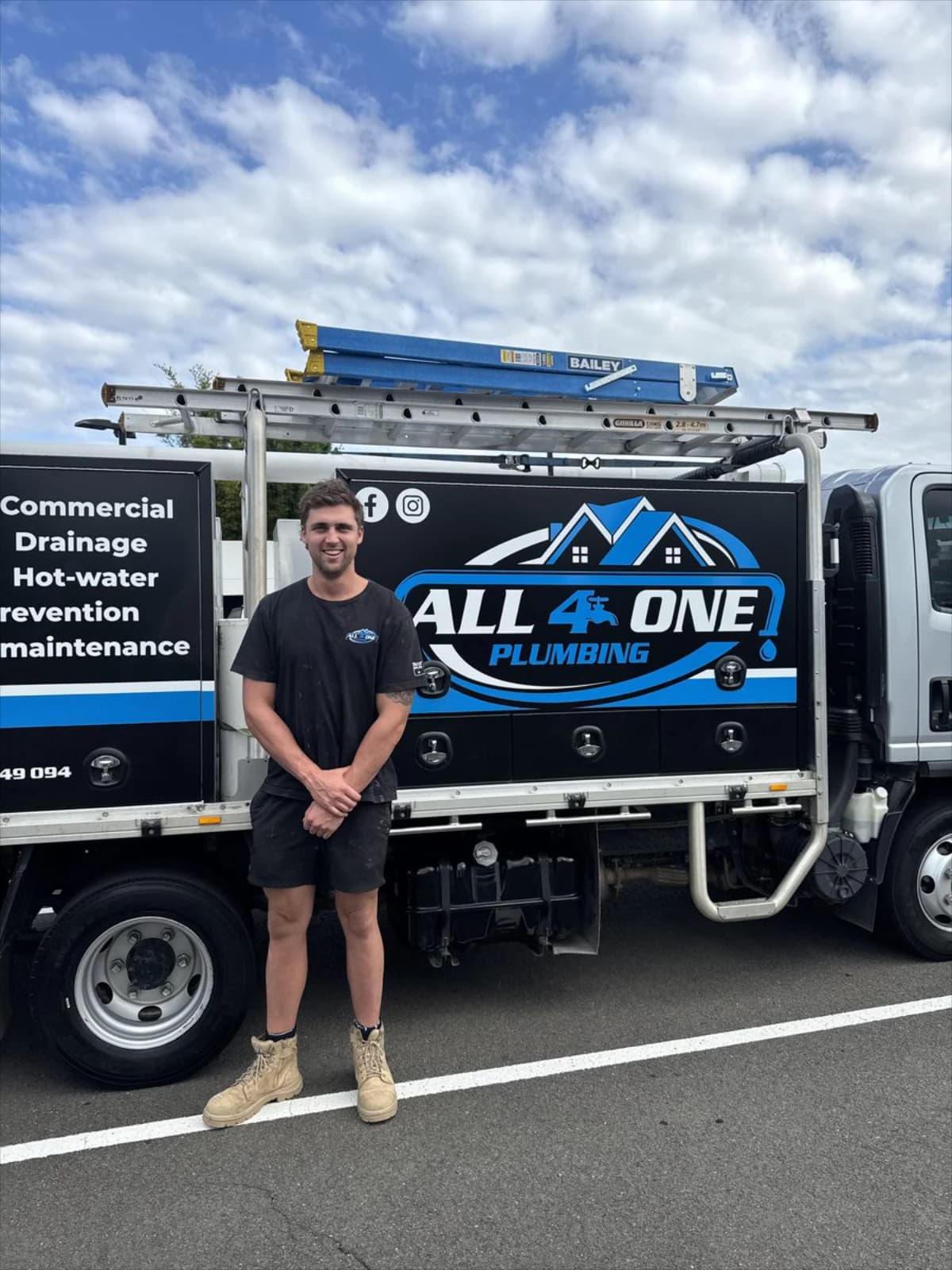
Joshua
Joshua is the licensed plumber behind Plumber Western Sydney. He's spent years on the tools across Western Sydney, the Blue Mountains and Lithgow — everything from midnight burst pipes to full bathroom rough-ins. He writes these guides the way he talks on a job: straight answers, honest prices, and no upselling.
Leak getting worse?
A plumber answers 24/7, and you'll know the price before we start.