Plumbing After a Flood: What to Check Before You Use Anything
First, stay safe
Floodwater can be contaminated, and it can hide electrical, gas and structural hazards. For storm and flood emergencies, the NSW SES is on 132 500, and for immediate danger to people, call 000. Don't reconnect a damaged water, gas or power supply yourself.
Who checks what
NSW Government guidance separates the checks by trade, and it's worth keeping them straight:
- Water supply and sewage: checked and cleared by a licensed plumber.
- Gas appliances and gas bottles exposed to floodwater: inspected by a licensed gas fitter before use.
- Electric hot water systems, power points and electrical appliances exposed to floodwater: inspected by a qualified electrician before use.
- Solar panels can remain live even when the power is off at the switchboard, so treat them with care.
Plumbing checks that matter
- Is the water supply intact, or are pipes and fittings damaged or disconnected?
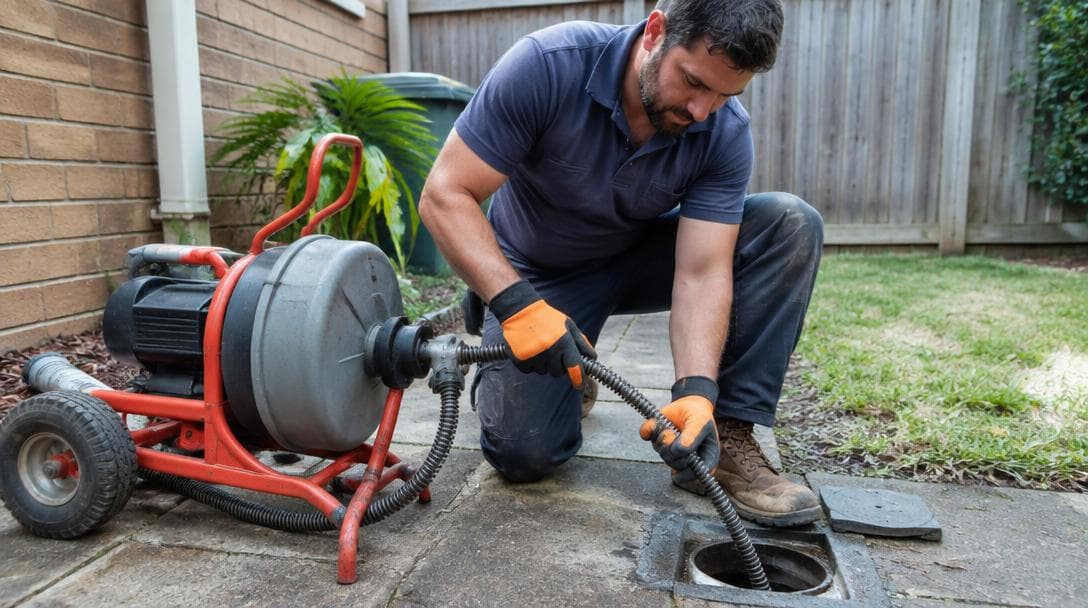
- Is the sewer or stormwater draining, or is silt and debris blocking pits and pipes?
- Has the hot water system been submerged? If so, don't switch it on.
- Are there leaks that appeared after the flood, particularly at joints and connections that moved?
Don't use it until it's been checked
It's tempting to switch the hot water on or light the heater to see if it works. With water, gas and electricity all involved, that's where harm happens. Leave submerged systems off until the right licensed person has inspected them.
Document everything for insurance
Take photos and video of the damage before cleaning up, keep damaged parts where you can, and ask your plumber for a written description of the cause and the repair.
Next steps
We attend flood-affected properties where it's safe to do so. See our Hawkesbury plumber page, our emergency plumber service, or get in touch.
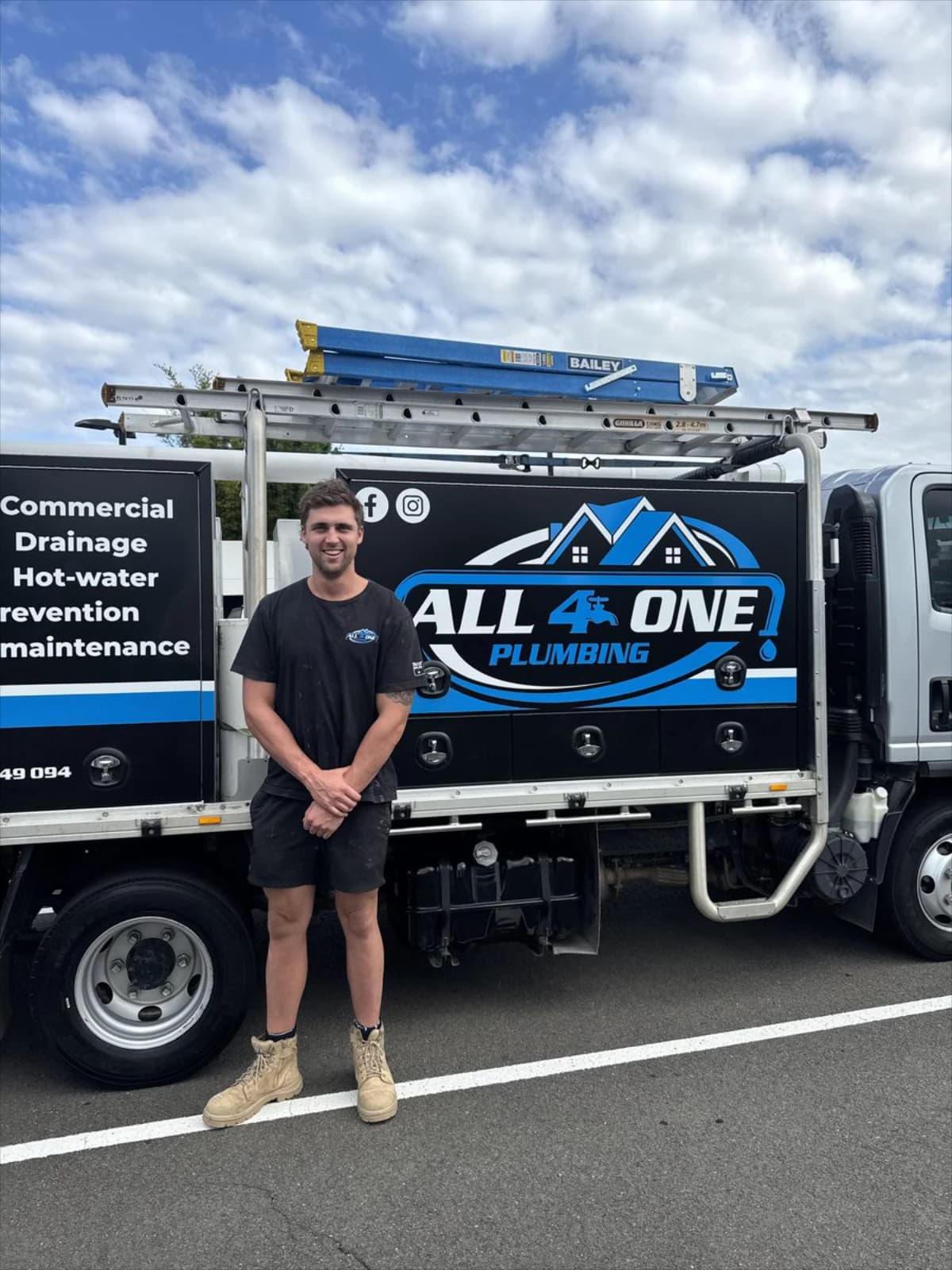
Joshua
Joshua is the licensed plumber behind Plumber Western Sydney. He's spent years on the tools across Western Sydney, the Blue Mountains and Lithgow — everything from midnight burst pipes to full bathroom rough-ins. He writes these guides the way he talks on a job: straight answers, honest prices, and no upselling.
Flood damage?
A plumber answers 24/7, and you'll know the price before we start.