How Much Does a Plumber Cost to Fit a Bathroom?
What a bathroom reno plumber actually quotes you for
When someone rings me about a bathroom renovation, they usually want one number. "What's it gonna cost to plumb the bathroom, Josh?" Fair question, but plumbing a bathroom isn't one job, it's really two separate stages with very different work involved - the rough-in and the fit-off - plus whatever's happening with the rest of the house that might complicate things.
I've plumbed bathrooms in brand new builds where everything's accessible and straightforward, and I've plumbed bathrooms in 1970s brick veneer homes around Penrith where half the job is just working around pipework nobody's touched since Whitlam was PM. The price difference between those two jobs can be enormous, and it's got nothing to do with which plumber you hire and everything to do with what's already there.
This guide walks through real-world price ranges for both stages, what makes the cost move, and the renovation sequencing mistakes that cost homeowners the most money. If you're planning a reno, read this before you get quotes, it'll help you understand what you're actually being charged for.
Rough-in vs fit-off: what's the difference?
These two terms get thrown around a lot during a reno and it's worth understanding them properly because they're priced and scheduled completely differently.
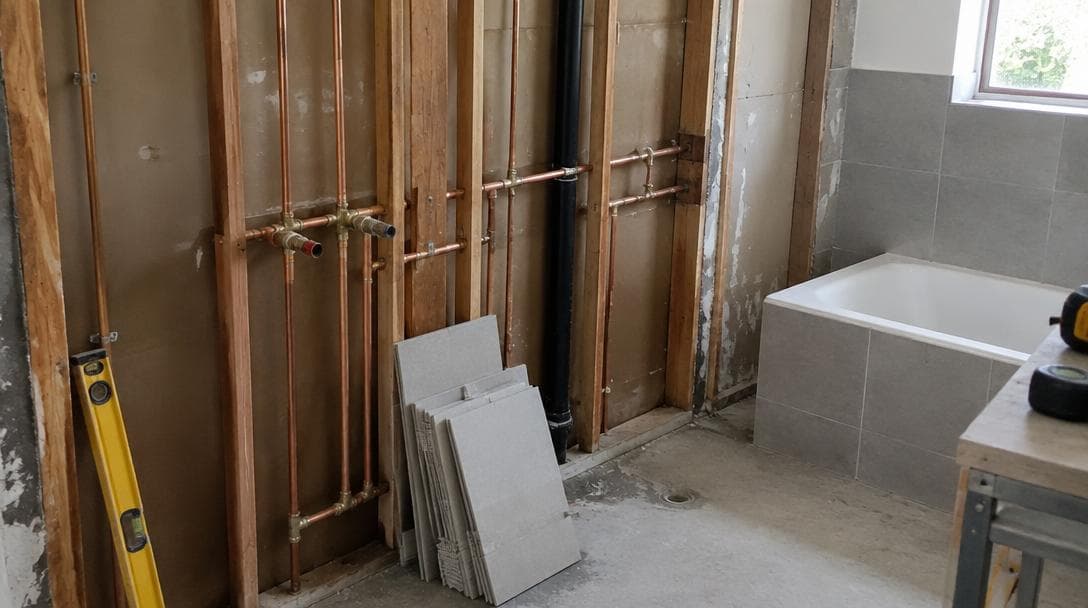
The rough-in happens early, before tiling, before the vanity goes in, before anything looks like a bathroom. This is where we run all the water supply pipes and drainage, position the waste points for the shower, toilet, and basin, install the bath or shower drain, and set up any in-wall cistern frames. Everything gets pressure tested, then it's covered up by the waterproofer, tiler, and plasterer. Get the rough-in wrong and you're literally cutting into finished tile work to fix it, which is an expensive, painful mistake.
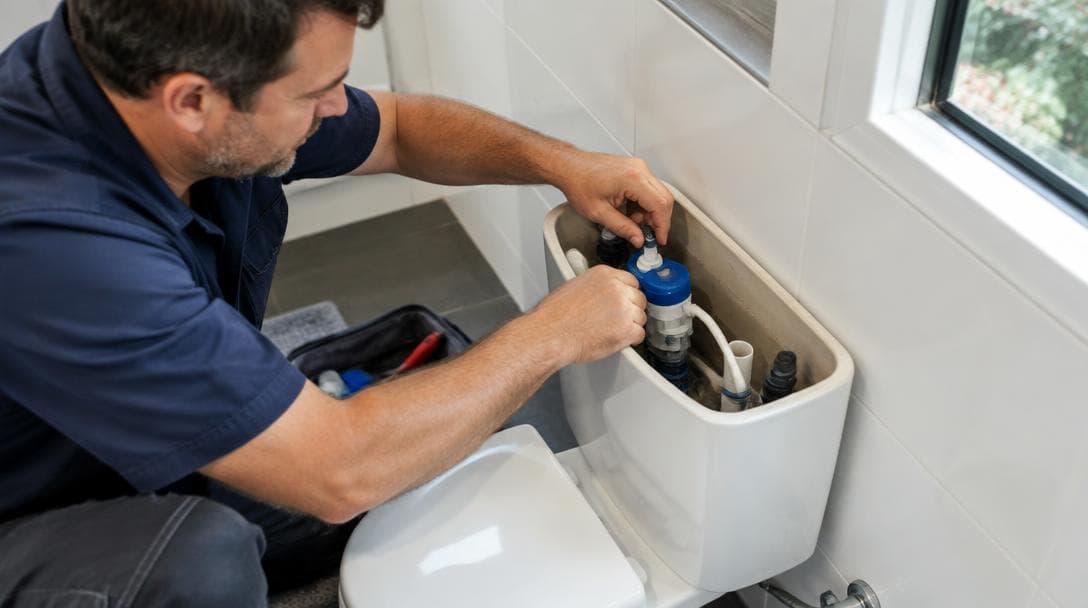
The fit-off happens right at the end, after tiling and waterproofing are done. This is connecting the actual fixtures - installing taps, mixers, the toilet suite, basin, shower screen plumbing, connecting the dishwasher if it's near the laundry, and testing everything actually works and doesn't leak. It's the glamorous bit where the room suddenly looks finished.
Typical rough-in plumbing costs
These are market ranges I see across Sydney renovations generally, not a quote for any specific job or business - your actual price depends on your layout, access, and how much of the existing pipework can be reused.
- Straightforward rough-in, same layout as existing (like-for-like): $1,500-$3,000
- Rough-in with layout changes (moving the toilet, basin, or shower): $2,500-$5,000
- Full relocation (moving the whole bathroom to a different part of the house): $5,000-$10,000+
- In-wall cistern frame installation: $400-$900 on top of standard rough-in
- New floor waste or shower drain relocation on a slab: $600-$1,800 (concrete cutting involved)
- Second bathroom/ensuite added where none existed: $6,000-$15,000+ depending on drainage run length
Typical fit-off plumbing costs
Add it up and a full plumbing scope for a standard bathroom reno - rough-in plus fit-off, no layout changes - usually lands somewhere between $2,500 and $4,500 in total plumbing costs. Move fixtures around or deal with an older house, and that number climbs quickly. This is plumbing only, by the way, not tiling, waterproofing, electrical, or the vanity and tapware products themselves.
If you want a sense of how this compares to a simple repair job rather than a full reno, our toilet repair costs guide gives you the smaller end of the scale.
- Toilet suite installation (supplied by you or trade-supplied): $150-$350
- Basin and tapware installation: $150-$300
- Shower mixer and shower head installation: $180-$400
- Bath installation and connection (freestanding bath plumbing is pricier than built-in): $300-$700
- Vanity plumbing connection: $150-$350
- Washing machine/laundry tap connection if included in the same visit: $100-$200
- Full fit-off for a standard three-fixture bathroom (toilet, basin, shower): $900-$1,800
The single biggest cost driver: moving things around
If there's one piece of advice that saves homeowners the most money, it's this: keep the toilet, shower, and basin roughly where they already are if your budget is tight. Every time you move a fixture away from its existing drain point, you're paying for new drainage runs, which on a slab means concrete cutting, and in a two-storey home can mean working around structural members or running new pipe through the ceiling below.
I had a job last year in Blacktown where the client wanted to swap the toilet and shower to opposite corners of the room for a "better flow". Sounds minor on a floor plan. In reality it meant two new drainage trenches through a concrete slab, a new vent stack position, and about $3,500 extra in plumbing alone compared to keeping the layout as-is. If budget's a real constraint, keeping the existing "wet wall" layout and just upgrading the fixtures themselves gets you 80% of the visual improvement for a fraction of the plumbing cost.
Older Western Sydney homes: what to expect
A lot of bathroom renos I do out here aren't in new builds, they're in homes from the 60s through 90s around Penrith, the Hills District, and Hawkesbury. These houses often still have galvanised steel supply pipe, old cast iron or earthenware drainage, or in some cases both, and that changes the rough-in scope.
If your house still has galvanised pipe feeding the bathroom, I'll almost always recommend replacing the supply line back to a junction point as part of the rough-in rather than just connecting new fixtures to old, corroding pipe. It costs more upfront, usually an extra $400-$1,000 depending on run length, but it avoids a nasty surprise six months after your brand-new tiles go in, when a rusted-through joint lets go behind the wall. I've seen it happen, and ripping out new tiling to fix an old pipe is about the most expensive lesson you can learn in a reno.
Slab vs raised timber floor matters a lot too. Raised floor homes are genuinely easier and cheaper to replumb because we can work from underneath without cutting concrete. If you're on a slab, any drainage changes mean a concrete saw, a day of noise and mess, and more cost. It's worth asking your plumber this directly when getting quotes, because "is it slab or subfloor" changes the number more than almost anything else in the quote.
Renovation sequencing: why the order of trades matters
One of the most common ways homeowners lose money on a bathroom reno is getting the trade sequence wrong. The correct order is roughly: demolition, plumbing rough-in and electrical rough-in together, waterproofing, tiling, then plumbing fit-off and electrical fit-off, then final fixtures like the shower screen and mirror.
The mistake I see constantly is a waterproofer or tiler getting booked before the plumbing rough-in is actually finished and tested, which causes delays and sometimes damage to finished waterproofing when we have to come back and adjust something. Always have your plumber do a pressure test on the rough-in before the waterproofer starts, and get it signed off. It only takes an hour and it can save you from pulling up brand new tiles.
Also worth knowing: council and compliance requirements mean your plumber needs to lodge a Notice of Work for most bathroom rough-ins and the job needs a final inspection or compliance certificate afterwards. A reputable plumber handles this as standard; if someone quoting you doesn't mention compliance certificates at all, ask about it directly.
DIY vs licensed plumber - where the line actually is
I'll be straight with you: there is no DIY lane for rough-in and fit-off plumbing work on a bathroom reno in NSW. Water supply and drainage work needs to be done by a licensed plumber and certified, full stop, both for safety and because an uncertified bathroom can cause real problems if you ever sell the house. This isn't a case of trade protectionism, it's genuinely about not having sewage backing up into your new tiled floor.
Where you can save money is in the parts that aren't licensed work - removing old tiles and fixtures yourself during demolition (if you're comfortable with it and it's not load-bearing or asbestos-affected - get that checked first in anything pre-1990), painting, and sourcing your own tapware and fixtures rather than paying trade mark-up. Supplying your own toilet, tapware, and vanity can save a decent chunk, just confirm with your plumber what model specs they need so everything's compatible with the rough-in that's already been done.
Questions to ask before hiring a plumber for your reno
A plumber who answers all of these clearly and doesn't get cagey is someone you can trust with a job this size. If you're coordinating a full renovation with multiple trades or it's a strata property, it's also worth looking at our strata and commercial page, body corporate approval and shared pipework access can add steps you'll want to plan for early.
- Is the quote fixed price or estimate, and what happens if something's found behind the wall that wasn't expected?
- Does the quote include the compliance certificate and Notice of Work lodgement?
- Will you pressure test the rough-in before waterproofing starts, and will you be there for that sign-off?
- Can I supply my own tapware and fixtures, and will that affect the price?
- What's the warranty on workmanship, separate from the manufacturer warranty on fixtures?
- Are you available for both rough-in and fit-off, or do I need to re-book and risk scheduling gaps?
- How do you handle unexpected old pipework if it's found once the walls are opened up?
Red flags that blow out bathroom reno budgets
- A quote with no allowance for "unforeseen issues" on a pre-1990s house - there's almost always something
- No mention of a Notice of Work or compliance certificate
- A plumber who won't commit to being on site for the pressure test before waterproofing
- Vague fixture allowances that don't match what you actually want to install
- No clarity on who's responsible for cutting into or patching tiles if rework is needed
- Pressure to pay the full amount upfront before the rough-in has even started
Money-saving tips for your bathroom plumbing budget
- Keep fixtures in their existing positions where possible - this is the single biggest lever on cost
- Get your plumber's rough-in and fit-off locked into one booking cycle with your tiler and waterproofer to avoid delays
- Replace old galvanised supply pipe during the rough-in rather than waiting for it to fail post-reno
- Supply your own tapware and fixtures if you're confident shopping around, just confirm compatibility first
- If you're also dealing with a blocked drain elsewhere in the house, get it looked at during the same visit to save a call-out
- Ask about combining a hot water system check while the plumber's already on site - see hot water if yours is getting old
- Check our specials page for current renovation plumbing offers before locking in a quote
What's usually NOT included in a plumber's bathroom quote
This catches a lot of homeowners out, so it's worth spelling out clearly. A plumbing quote for a bathroom reno generally covers the pipework, drainage, fixture installation, and compliance certification - it does not cover tiling, waterproofing membrane application, electrical work for exhaust fans or heated towel rails, carpentry for vanity cabinetry, or the fixtures and tapware themselves unless you've specifically asked for trade-supply pricing.
I always recommend getting a full written scope that states clearly what's plumbing and what isn't, especially if you're managing the renovation yourself rather than through a builder. It's really common for homeowners to get a plumbing quote, a tiling quote, and a waterproofing quote separately, add them up, and still be surprised by extras because nobody quoted the skip bin, the demolition labour, or the compliance paperwork fees. Ask every trade specifically: "is there anything not included in this number that I'll need to pay for separately?"
If you're managing trades yourself for the first time, it's also worth having one point of contact - often the plumber, since the rough-in timing affects everyone else's schedule - keep an eye on sequencing so trades aren't tripping over each other. Some plumbers will offer this informally even if they're not technically project managing, so ask when you're getting quotes.
Ensuites, powder rooms, and small bathrooms - does size change the price much?
Not as much as people expect. The main cost driver is always the number of fixtures and whether they're moving, not the floor area of the room. A tiny powder room with just a toilet and basin can still cost a reasonable chunk in rough-in and fit-off if the drainage run is long or the fixtures are being relocated, while a generously sized bathroom with fixtures left in their existing spots can come in cheaper than you'd think.
Where size does matter is in ensuite additions and new bathrooms being added where none existed before - these need a completely new drainage run back to the main stack or sewer connection, sometimes requiring council approval and inspection at multiple stages. If you're considering adding a second bathroom or ensuite, get a plumber out early in the planning phase, before you've locked in a floor plan with the designer, because drainage fall and pipe routing can genuinely dictate where a new bathroom can and can't go.
A real job: the reno that nearly went over budget before it started
I quoted a bathroom reno last year for a client in the Hills District who'd already paid a designer for a full layout before calling a plumber. The new design moved the shower to the opposite wall, which looked great on paper but meant a completely new drainage run through a slab, plus relocating the vent stack. That one design decision alone added close to $4,000 to the plumbing scope compared to keeping the existing wet wall.
We sat down, looked at the original layout, and found a version that kept the shower and toilet roughly where they already were while still giving them the bigger vanity and better shower size they actually wanted. Same visual outcome, a fraction of the plumbing cost. The lesson I give every single reno client now: talk to your plumber before you finalise the design, not after, because by the time a quote reveals the cost of moving fixtures, people have often already fallen in love with a floor plan they're reluctant to change.
Common mistakes that blow out a bathroom plumbing budget
Beyond moving fixtures unnecessarily, the mistake I see most often is homeowners booking the tiler before the plumbing rough-in has been pressure tested and signed off, purely to keep the renovation timeline moving. If an issue turns up later, you're paying to cut into brand new tiling and waterproofing to fix it, which costs far more than the delay would have.
Another common one: assuming an older bathroom's existing pipework is fine because "it's not leaking now." Galvanised supply lines and ageing drainage don't usually announce themselves before they fail — they just let go one day, often behind freshly tiled walls. If your home's original plumbing hasn't been touched since it was built, it's worth raising that with your plumber during the rough-in quote rather than finding out the hard way afterward.
The bottom line
For a standard bathroom renovation with no layout changes, budget somewhere around $2,500-$4,500 for plumbing rough-in and fit-off combined. Move fixtures, deal with old galvanised pipe, or add a whole new bathroom, and that number climbs well beyond that, sometimes into five figures for full relocations or additions. The honest advice I give every customer is the same: the layout decision you make in the first planning conversation affects your plumbing bill more than any other single choice in the whole reno.
If you're in the early planning stages and want a realistic number before you commit to a design, get in touch and tell us your current layout and what you're hoping to change. We'll give you a straight answer about what's achievable in your budget, including whether it's worth keeping the existing plumbing footprint. And if you want the bigger picture on plumber pricing generally before you start comparing reno quotes, our guide on what a plumber costs is a good place to start, along with browsing testimonials from other renovation jobs we've done around Western Sydney.

Joshua
Joshua is the licensed plumber behind Plumber Western Sydney. He's spent years on the tools across Western Sydney, the Blue Mountains and Lithgow — everything from midnight burst pipes to full bathroom rough-ins. He writes these guides the way he talks on a job: straight answers, honest prices, and no upselling.
Planning a renovation?
A plumber answers 24/7, and you'll know the price before we start.