How Much Does a Plumber Cost in Western Sydney? (2026 Guide)
Why Everyone Asks "How Much Does a Plumber Cost?" Before They've Even Told Me the Problem
I've been plumbing around Western Sydney for a long time now, from the older fibro homes near Penrith to the new double-storey estates out past Marsden Park, and the very first question on almost every call is the same: "before you come out, how much is this going to cost me?" Fair enough too. Nobody likes an open cheque book, especially not for something as unglamorous as a leaking tap or a blocked drain.
The honest answer is that plumber prices in Western Sydney move around more than people expect, and anyone who gives you one flat number for "a plumber" without knowing the job is guessing. In this guide I'll walk you through what tradies actually charge in 2026, why the price swings so much from job to job, and how to tell a fair quote from one that's taking the mickey.
If you've got water actively pouring somewhere right now, skip the reading and jump to our emergency plumber page — someone will pick up. For everyone else with a bit of time up their sleeve, let's get into the numbers.
Plumber Hourly Rates in Western Sydney: The Real Numbers
Most licensed plumbers in NSW charge somewhere between $90 and $180 per hour during standard business hours, with the bulk of tradies in the Western Sydney area sitting around $110 to $150 an hour. That range isn't random — it reflects insurance, a ute full of expensive tools, fuel, licensing, and the fact that a good plumber usually has years of training behind them, not just a YouTube video.
A few things push that hourly rate up or down. A one-man operation working from home with low overheads might charge less than a bigger company with a fleet of vans and an office full of staff. Specialist work — gas fitting, backflow prevention, or anything needing a CCTV camera — often attracts a higher rate because of the extra licensing and gear involved.
Here's the bit people don't like hearing: very few plumbers actually bill in neat one-hour blocks for small jobs anymore. Most quote a flat price for the job once they've seen it, because a tap washer might take fifteen minutes or it might take ninety minutes if the valve is seized from 1987. Flat pricing protects you as much as it protects us.
- Standard weekday rate: roughly $90–$180 per hour
- Most common range in Western Sydney: $110–$150 per hour
- Specialist trades (gas, backflow, relining): often $140–$220 per hour
- Many jobs under two hours are quoted flat, not hourly
Call-Out Fees: What You're Actually Paying For
A call-out fee is basically what it costs a plumber to get in the truck and drive to you, and in Western Sydney that's typically between $50 and $120 depending on the company, the time of day, and how far you are from their base. If you're out near Richmond, Lithgow or deep in the Blue Mountains, expect that number to creep up a bit purely because of drive time.
Some businesses roll the call-out fee into the first hour of labour, so you're not paying twice. Others charge it separately on top of the hourly rate regardless of how long the job takes. Neither approach is dodgy on its own, but you want to know which one you're dealing with before the van shows up, not after.
I'd always ask straight up: "is that call-out fee included in the quote, or on top?" Any plumber worth using will answer that in two seconds flat. If they go vague or change the subject, that's worth noting.
Weekend, After-Hours and Public Holiday Rates
Yes, plumbers charge more outside standard hours, and no, it's not a scam — it's the same reason your local café charges more for a public holiday brunch. Saturday work often sits 1.25 to 1.5 times the weekday rate, Sundays and public holidays can be 1.5 to 2 times, and genuine after-hours emergency call-outs (think 2am burst pipe) can land higher again.
In real dollars, that might mean a weekday call-out and first hour costs you $150–$250, while the same job at 11pm on a Sunday could be $280–$450. It feels steep until you remember the plumber is leaving a family dinner or getting out of bed to come fix your problem.
My honest advice: if it can wait until Monday without causing damage, let it wait. A dripping tap or a slow drain isn't an emergency — a burst pipe flooding your kitchen or no hot water for a household with a newborn absolutely is. Know the difference and you'll save yourself real money. We've written a separate breakdown on emergency plumber costs if you want the full picture on after-hours pricing.
- Weekday: standard rate
- Saturday: approx. 1.25–1.5x standard rate
- Sunday / public holiday: approx. 1.5–2x standard rate
- Genuine after-hours emergency: often the highest tier
What Actually Drives the Price Up or Down
Two houses on the same street can get wildly different quotes for what sounds like the same job, and there's usually a logical reason. Access is a big one — a blocked drain under a concrete slab in an older Blacktown home is a different animal to the same pipe sitting in an open trench in a new estate. The age of your plumbing matters too. A lot of the older housing stock across Western Sydney still has clay pipes that have had sixty-plus years to crack, shift and grow tree roots through them.
Parts and materials obviously affect price. A basic tap washer costs almost nothing; a mixer cartridge for a European tap can run into real money. Then there's the job's complexity — is it a straightforward swap, or does something need to be cut out of a wall, re-routed, or re-certified by council?
Location plays a part too, mostly through drive time rather than some kind of postcode markup. Jobs out around Hawkesbury or Lithgow might include a small travel component compared to something central like Penrith or Blacktown.
- Access to the pipe or fixture (slab, crawl space, wall cavity)
- Age and material of existing plumbing (clay, copper, poly)
- Parts required and whether they're standard or imported
- Whether council permits or certification are needed
- Distance from the plumber's base of operations
- Time of day and day of the week
Real-World Price Ranges for Common Jobs
People always want ballpark figures, so here are honest, general market ranges I see across Western Sydney for common residential jobs. These aren't anyone's fixed prices — every job needs an actual look — but they'll stop you from being blindsided.
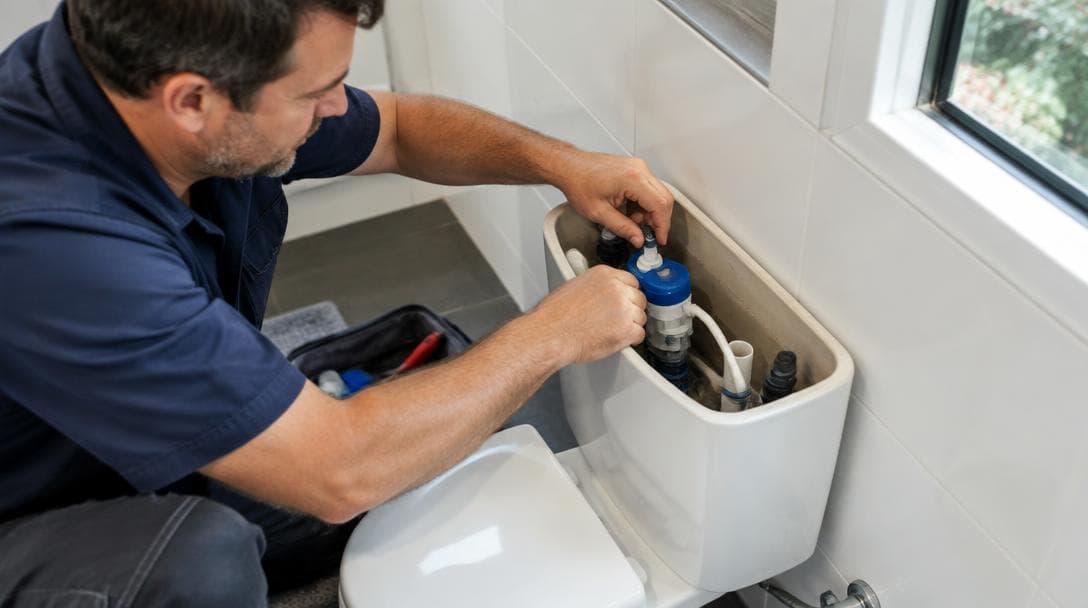
- Leaking tap or toilet repair: $120–$280
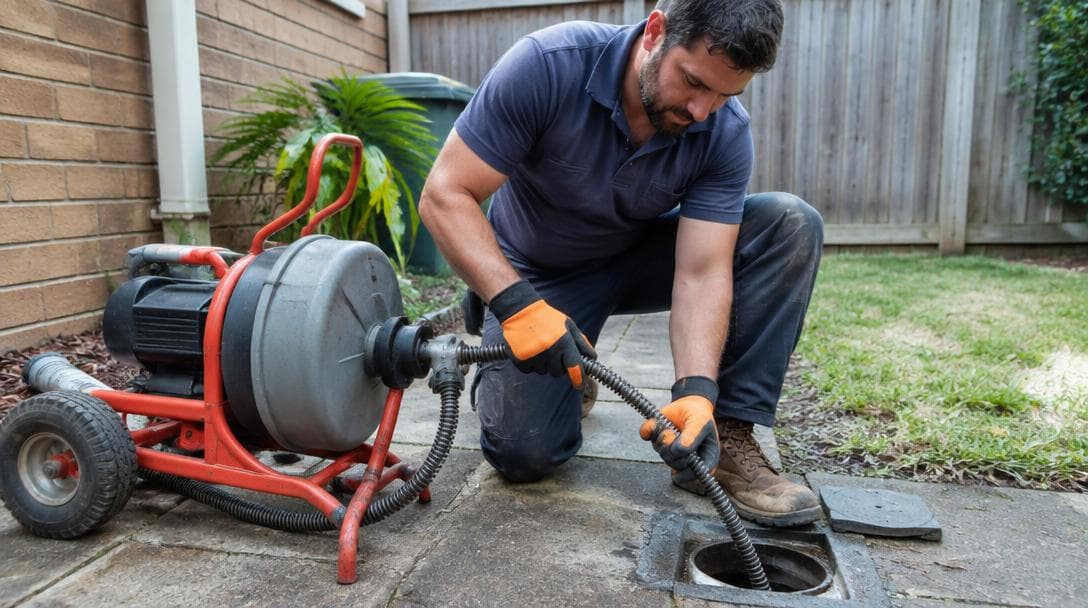
- Blocked drain (standard clear): $150–$450 — see our full blocked drain cost guide
- Hot water system repair: $150–$400; full replacement $800–$2,500+ depending on unit type, see hot water services
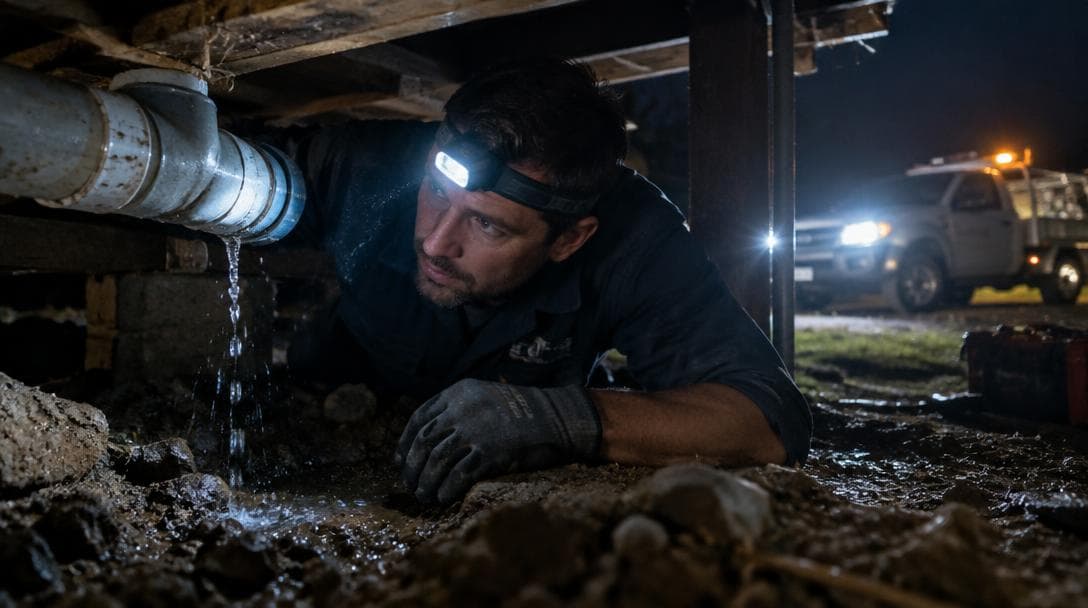
- Burst pipe repair: $250–$900 depending on location and access, more detail in our burst pipe guide
- Gas appliance installation or compliance check: $200–$600, see gas fitting
- Full bathroom re-plumb: $3,000–$9,000+ — see our bathroom plumbing cost guide
Cheap Plumber Near Me: Why the Lowest Quote Isn't Always the Cheapest Job
I get why people search "cheap plumber near me prices." Money's tight for a lot of households right now, and nobody wants to overpay for a trade job. But I've lost count of the call-outs where I've been asked to fix a "repair" done by the cheapest bloke on the list, and it's cost the homeowner more the second time around.
A genuinely cheap quote can mean low overheads and a fair operator passing on the savings — that exists, and it's great when you find it. But it can also mean unlicensed work, no insurance if something goes wrong, inferior parts, or a quote that mysteriously grows once the tradie is halfway through the job and you're not in a position to say no.
The sweet spot isn't the cheapest number on the page — it's the plumber who's upfront, licensed, insured, and explains what you're paying for. Compare two or three quotes, sure, but weigh them against the questions in the next section, not just the dollar figure.
How to Find a Good Plumber Near You (Not Just a Cheap One)
Finding a decent plumber isn't hard once you know what to look for. Start with licensing — every plumber working in NSW should hold a current licence through NSW Fair Trading, and any legitimate operator will give you their licence number without hesitation.
Insurance is next. Public liability insurance protects you if something goes wrong on your property, and it's non-negotiable in my book. After that, look at reviews that mention specific jobs rather than vague five-star ratings — detail tells you more than stars. Our own testimonials page is a good example of the kind of detail worth reading before you book anyone, anywhere.
Local knowledge counts for more than people realise. A plumber who regularly works across Western Sydney — through The Hills District, Penrith, Blacktown and out to Riverstone — has already seen your suburb's quirks: the clay pipes, the reactive clay soil that cracks pipework, the older estates with outdated stormwater setups. That experience shortens diagnosis time, which shortens your bill.
- Ask for their NSW plumbing licence number
- Confirm they carry current public liability insurance
- Check reviews for specific detail, not just star ratings
- Ask if quotes are fixed price or hourly, and get it in writing
- Ask what the warranty on workmanship actually covers
- Check they service your specific suburb regularly, not just occasionally
Questions to Ask Before You Book Anyone
A quick phone conversation tells you almost everything you need to know about whether a plumber is going to be straight with you. I'd always ask what the call-out fee covers, whether it's a flat price or hourly rate, and what happens if the job turns out bigger than expected once they're on site.
It's also worth asking directly: "is there anything that could make this more expensive once you're here?" A good plumber will tell you honestly — old fittings that might crumble, access issues they can already guess at, or council requirements for certain jobs. Someone cagey about this is someone who might surprise you with the final invoice.
- What does your call-out fee include?
- Is this a fixed quote or an hourly estimate?
- What could change the price once you're on site?
- Do you provide a written quote before starting work?
- What warranty do you offer on parts and labour?
- Are you available if something goes wrong after the job?
Red Flags That Should Make You Hang Up the Phone
A handful of warning signs crop up again and again with dodgy operators. No licence number when asked, cash-only insistence with no invoice, wildly vague quotes ("ah, somewhere between $200 and $2000, mate"), and pressure to agree to extra work on the spot without explanation are all things I'd walk away from.
Door-knockers offering a "free inspection" that somehow always finds thousands of dollars of urgent work are another classic. A genuine plumber is happy for you to get a second opinion; someone pushing hard for an immediate yes usually isn't confident their price would survive comparison.
- Refuses to give a licence number
- Insists on cash with no invoice or receipt
- Gives a quote range so wide it's meaningless
- Pressures you to approve extra work immediately
- Door-to-door "free inspection" that always finds expensive problems
- No fixed address or verifiable business details
Ways to Keep Your Plumbing Bill Down Without Cutting Corners
There are legitimate ways to reduce what you spend on plumbing without risking a bad repair. Bundling small jobs into one visit is the easiest — if you've got a dripping tap, a slow drain, and a toilet that runs too long, get them all done in the same call-out instead of three separate ones.
Booking during standard business hours instead of weekends is an obvious saver if the job genuinely isn't urgent. Keeping an eye on your own plumbing — checking under sinks occasionally, knowing where your water meter and shut-off valve are — means small issues get caught before they become expensive emergencies. It's also worth keeping an eye on our specials page, since reputable local plumbers often run seasonal offers on things like hot water servicing or drain camera inspections.
And don't be afraid to ask for a written, itemised quote before work starts. It protects you, and honestly, it protects the plumber too — nobody wants an argument over the invoice at the end of a long day.
When It's Fine to DIY (and When It Really Isn't)
I'll always tell people straight: plenty of small plumbing jobs are genuinely fine to tackle yourself. Replacing a tap washer, clearing a sink trap with a bucket and a wrench, or using a plunger on a mildly blocked toilet won't void anything or make things worse if you're careful.
Where I'd draw a hard line is anything involving gas, anything behind walls or under slabs, and anything connected to your main water or sewer line. Gas work is illegal to DIY in Australia for good reason — it's not a corner worth cutting, full stop. Hot water systems, stormwater, and sewer connections also tend to have council and plumbing code requirements that a homeowner isn't across, and getting it wrong can cost far more to fix than the original job would have.
If in doubt, a quick phone call to a licensed plumber to talk through the problem costs you nothing and can save you from turning a $150 job into an $1,500 one.
A Real Job: The Call-Out That Taught Me to Always Ask First
A few months back I got a call from a young couple in Marsden Park who'd had a "cheap" plumber out to fix a leaking valve under the kitchen sink. He'd quoted $80 over the phone, done the job in fifteen minutes, then handed over an invoice for $340 and said the extra was for "parts and access difficulty." There was no access difficulty — it was a standard cupboard. They paid it because they didn't know what else to do, then called me a week later when the same valve started leaking again because it hadn't been tightened properly.
I fixed it properly in ten minutes and didn't charge them a call-out fee, because by that point they'd already been stung once and it felt like the right thing to do. But the real lesson for anyone reading this is to ask the price before the tradie starts, not after they've finished. A legitimate plumber will give you a number, or at least a realistic range, before touching anything. If someone won't commit to a figure until the job's done, that's your answer right there.
It's a small story, but I think about it every time someone asks me "why does it matter who I call for something this simple." It matters because the gap between a fair tradie and a dodgy one usually isn't in the work itself — it's in how honest they are before they start.
Questions to Ask Before You Book (The Short Version)
If you only remember one thing from this whole guide, make it this: get a price, or at least a clear range, before the plumber starts work, not after. Ask what's included in the call-out fee, whether the quote is fixed or subject to change, and what could realistically push the price higher once they're on site.
It's also worth asking how they handle unexpected issues — a good plumber will stop and call you before doing extra paid work, not just add it to the invoice and explain afterward. And if you're dealing with an older home anywhere from Blacktown to Riverstone, ask whether they've worked on similar-aged housing before, since ageing pipework behaves differently to anything in a newer estate.
The Bottom Line on Plumber Costs in Western Sydney
There's no single answer to "how much does a plumber cost" because the honest answer depends on the job, the time of day, your home's plumbing history, and who you call. What you can control is making sure you're comparing fair, licensed, insured operators, asking the right questions upfront, and not automatically chasing the cheapest number on the page.
If you're not sure whether your plumbing issue is a simple fix or something bigger, get in touch through our contact page or have a read through our other guides on the blog — and if it's urgent, don't wait around reading, just call. A ten-minute conversation almost always clears up more than an afternoon of googling ever will.
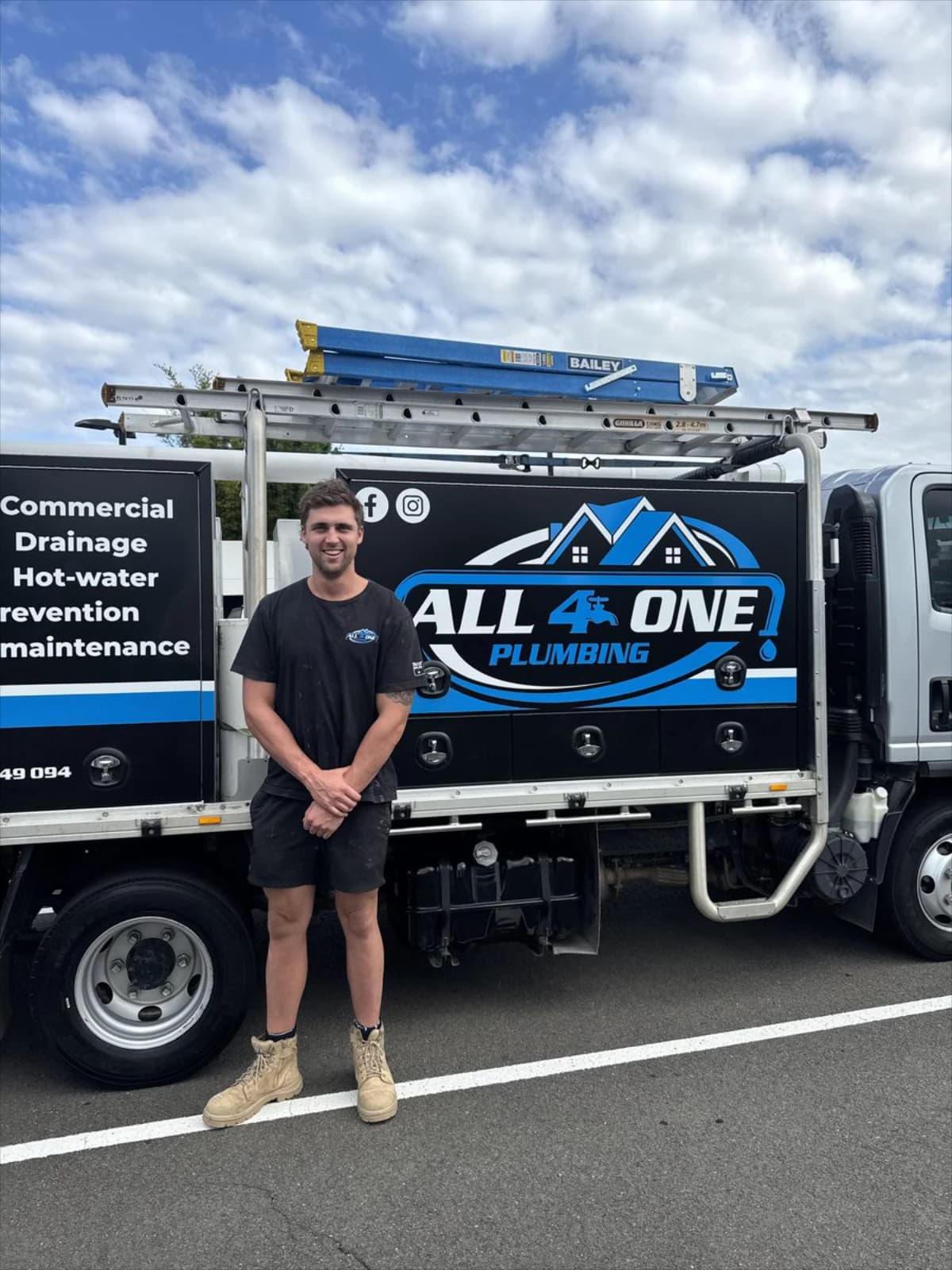
Joshua
Joshua is the licensed plumber behind Plumber Western Sydney. He's spent years on the tools across Western Sydney, the Blue Mountains and Lithgow — everything from midnight burst pipes to full bathroom rough-ins. He writes these guides the way he talks on a job: straight answers, honest prices, and no upselling.
Need a plumber now?
A plumber answers 24/7, and you'll know the price before we start.