
Same-day repairs
Thermostats, elements, valves, thermocouples and leaking connections sorted on the spot where parts allow.
Cold shower
this morning?
Not tomorrow.
No hot water is a whole-household problem. We repair, replace and install gas, electric, solar and heat pump systems, and we'll tell you honestly whether yours is worth saving.
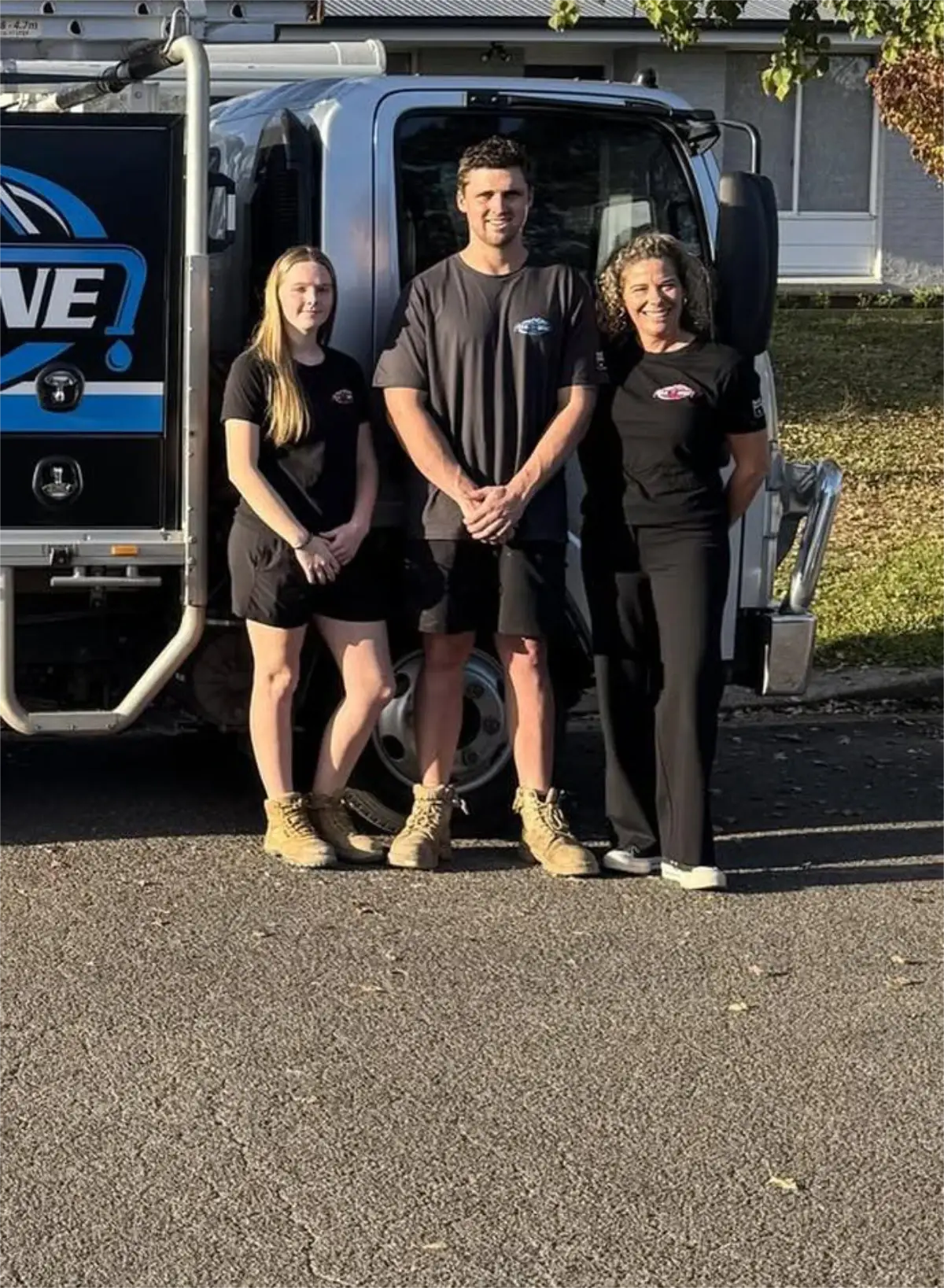 Josh and the crew
If any of these are happening, don't sit on it. Small plumbing problems get expensive quickly.
You'll always know what we found, what it'll cost and what your options are before we start.
Thermostats, elements, valves, thermocouples and leaking connections sorted on the spot where parts allow.
We'll tell you when a repair is throwing money at a dying tank, and when it genuinely isn't.
Gas, electric, solar and heat pump, sized to how your household actually uses hot water.
Options that cut your bills, with the rebate and efficiency differences explained in plain English.
Replaced and tested so your system releases pressure safely and delivers water at a safe temperature.
Same-day attendance to isolate the system and make it safe, then a straight repair-or-replace answer.
Often we can narrow the fault down before we arrive and bring the right parts.
You get repair and replacement options with clear pricing before any work starts.
Installed to standard, old unit removed, warranty paperwork sorted.
Most hot water faults are small parts failing, and those are worth fixing. A tank that's leaking through its body is a different story: that can't be repaired.
Each type suits a different home. Here's how we explain them in plain terms.
In NSW, water delivered to most bathrooms must not exceed 50°C, which is why a tempering valve or thermostatic mixing valve is fitted when a hot water system is installed or replaced. Storage tanks are kept hotter, at 60°C or above, so bacteria can't grow. Hot water work involves gas, electricity and pressurised water, so it needs a licensed plumber. Gas connections also bring gas fitting licensing into it, and we handle both.
If a tank is leaking, turn off the power or gas and the cold water supply to the unit, and call us. We treat a leaking system as urgent, and our emergency plumber team answers any hour. For replacement costs and what influences them, see our guide to what a plumber costs in Western Sydney.
Our guides put typical hot water jobs in Western Sydney at roughly:
In most cases yes. Common faults are repairable on the first visit, and we carry popular replacement units where a swap is needed.
Roughly 8 to 12 years for most tanks. Past that, repeated repairs usually cost more than a new, more efficient unit.
It depends on your household size, existing connections and running costs. We'll walk you through the options rather than pushing one brand.
Usually if the tank itself is sound. Elements, thermostats, valves and ignition faults are all repairable. If water is leaking from the tank body, or the system is well past 10 years and failing repeatedly, replacement normally makes more sense, and we'll say so plainly.
Common causes are a failed element or thermostat, sediment in the tank, or a system that's simply too small for the household. We'll check the fault first and only suggest a bigger system if sizing is the real problem.
A little water from the relief valve drain pipe as the tank heats can be normal. A steady flow, or water coming from the tank itself, isn't. Turn off the power or gas and the cold water to the unit, then call us. Never block or cap the relief valve or its pipe.
Storage tanks should be kept at 60°C or above to stop bacteria such as Legionella growing. In NSW, water delivered at taps in most homes is limited to 50°C by a tempering valve, with a lower 45°C limit in places like aged care and children's services. We fit and test these as part of an install.
There's no single answer. It depends on household size, roof and yard space, gas availability and what you want to pay upfront versus over time. We'll lay out the trade-offs for your home rather than pushing one brand, and tell you about any incentives that apply when you ask for pricing.
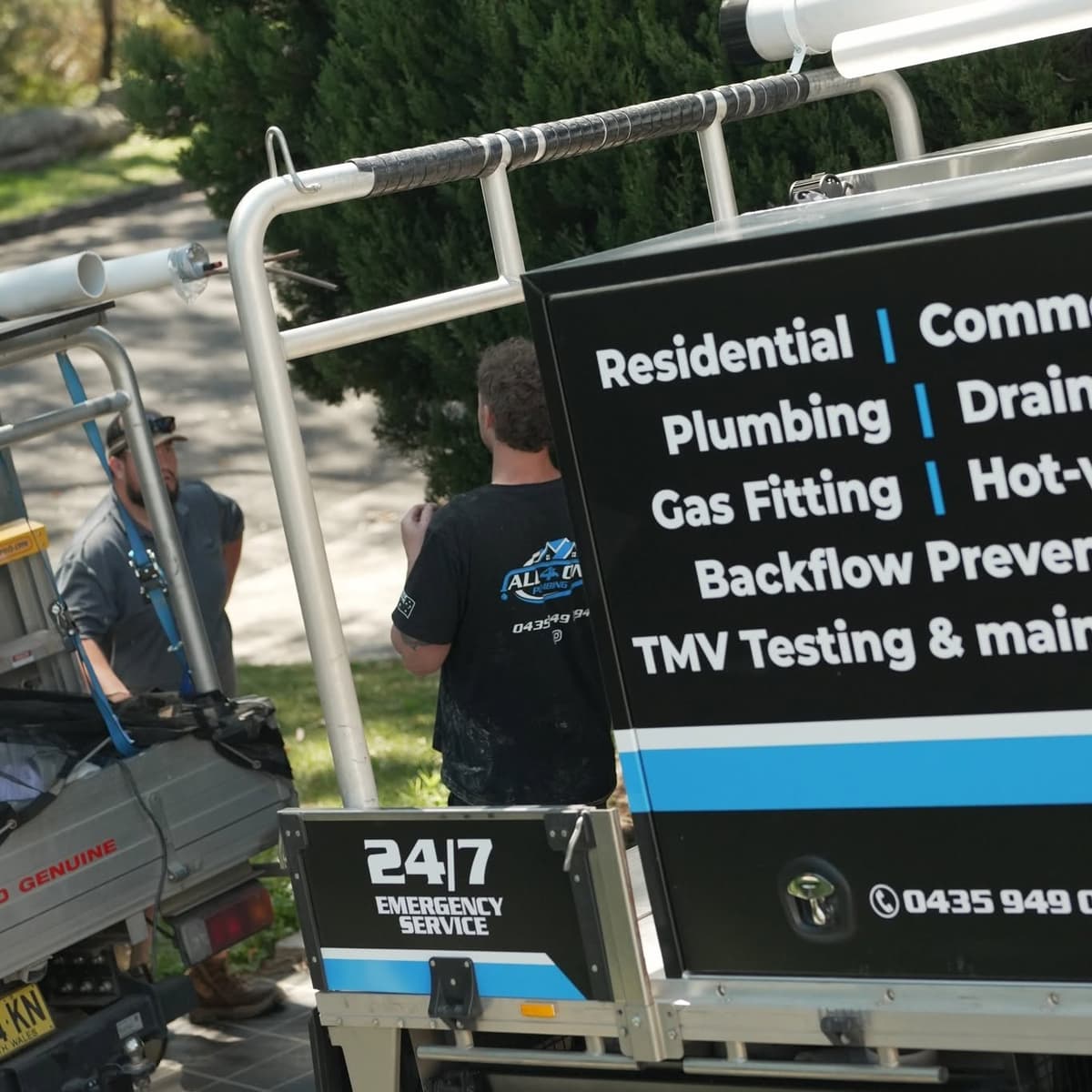
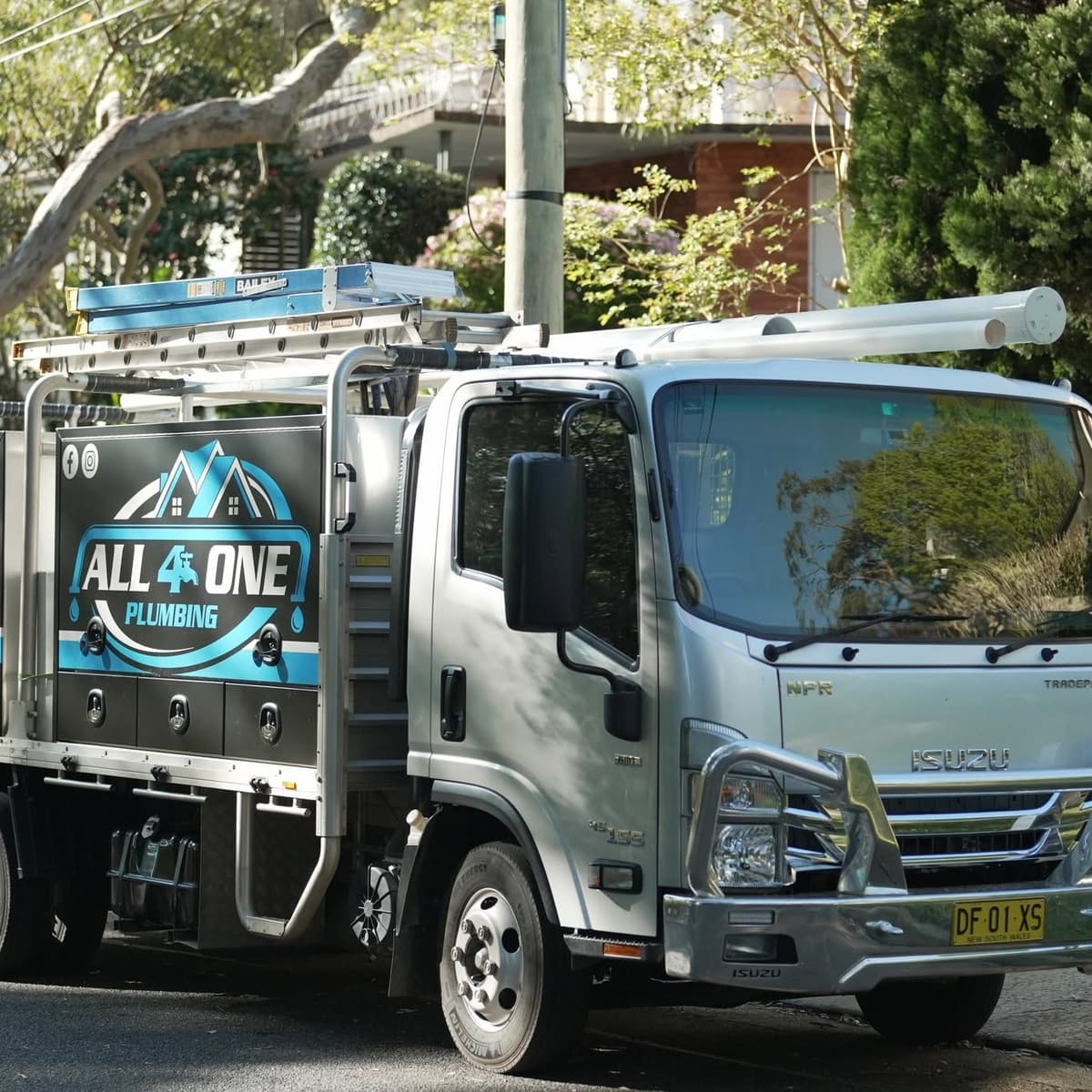
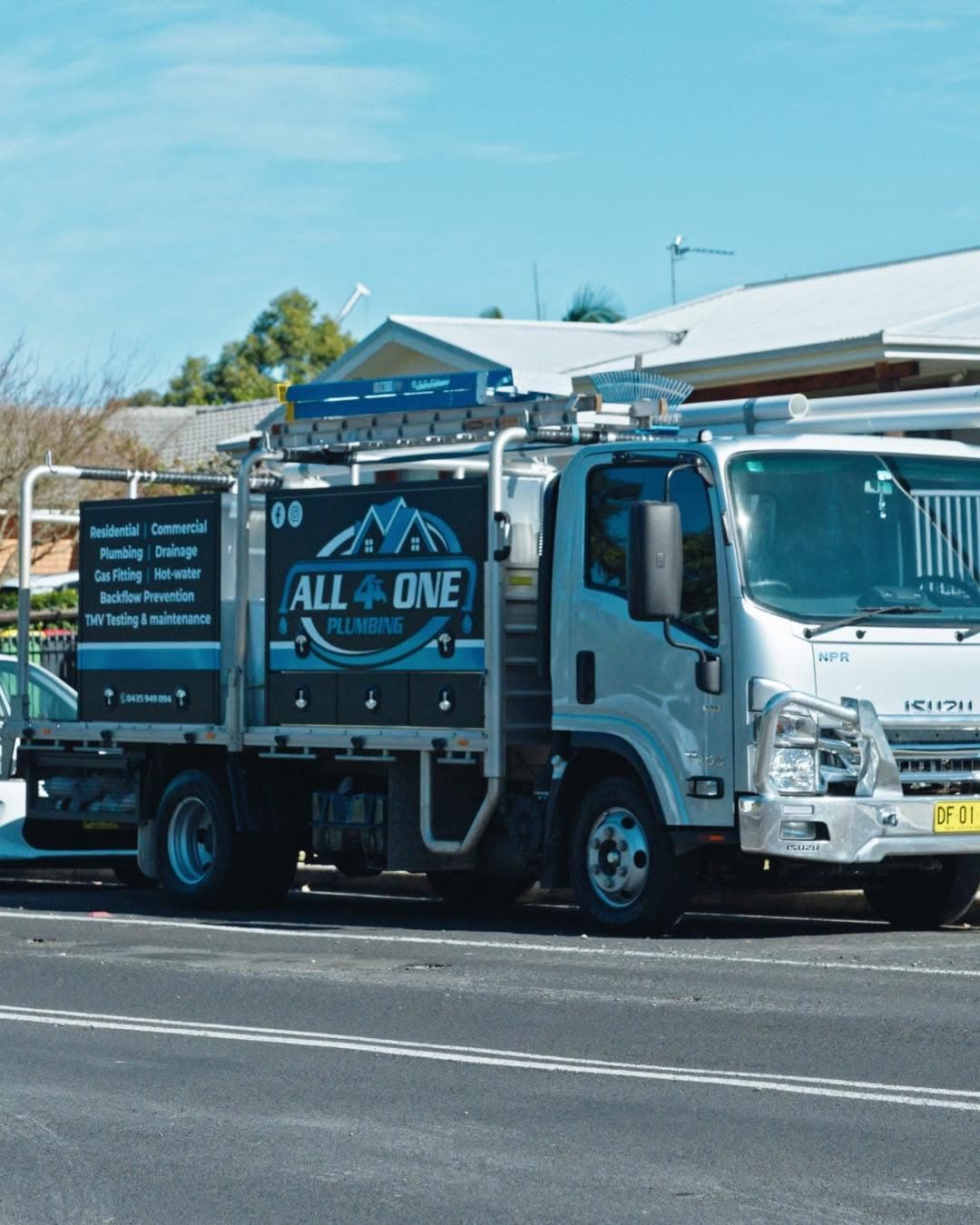
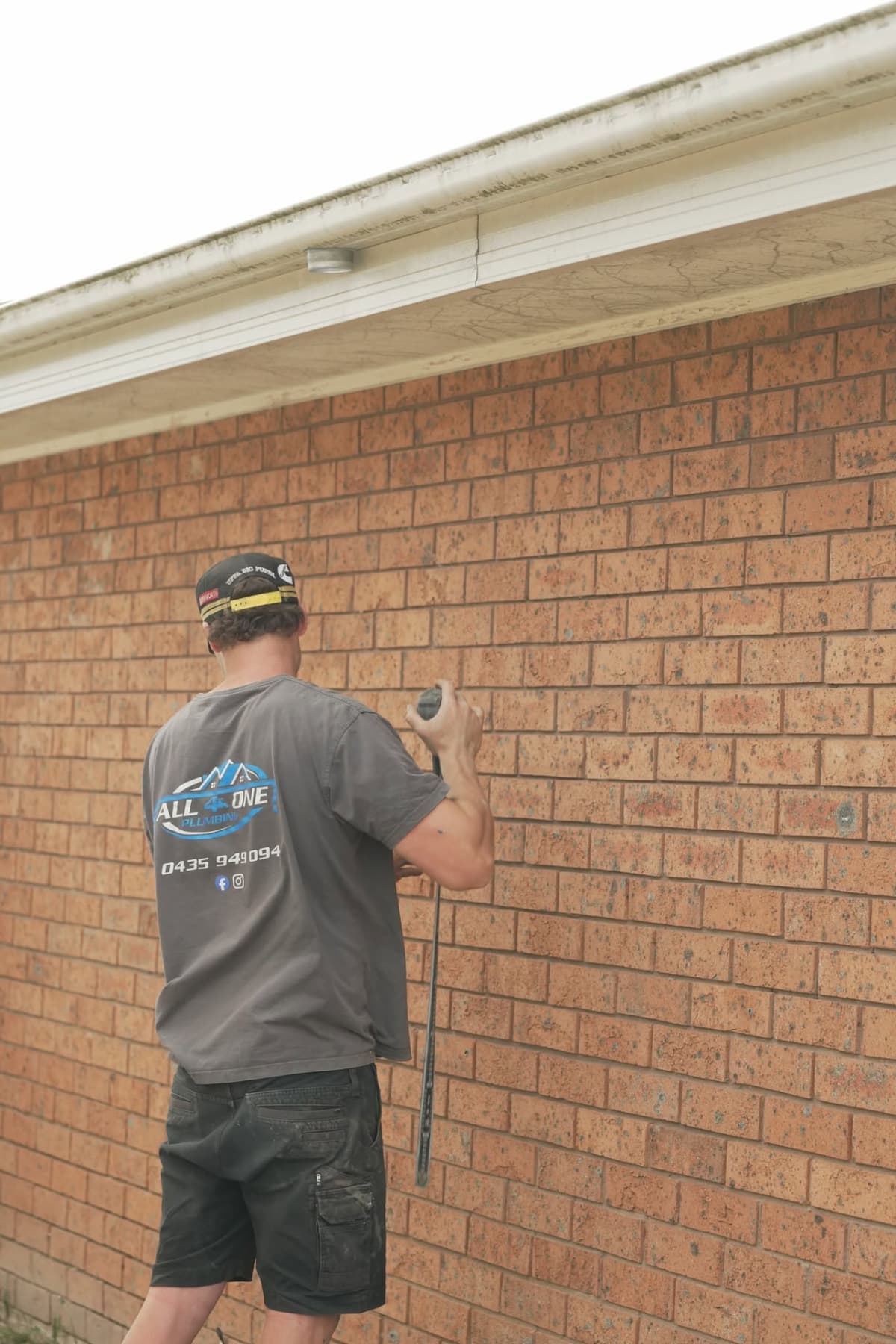
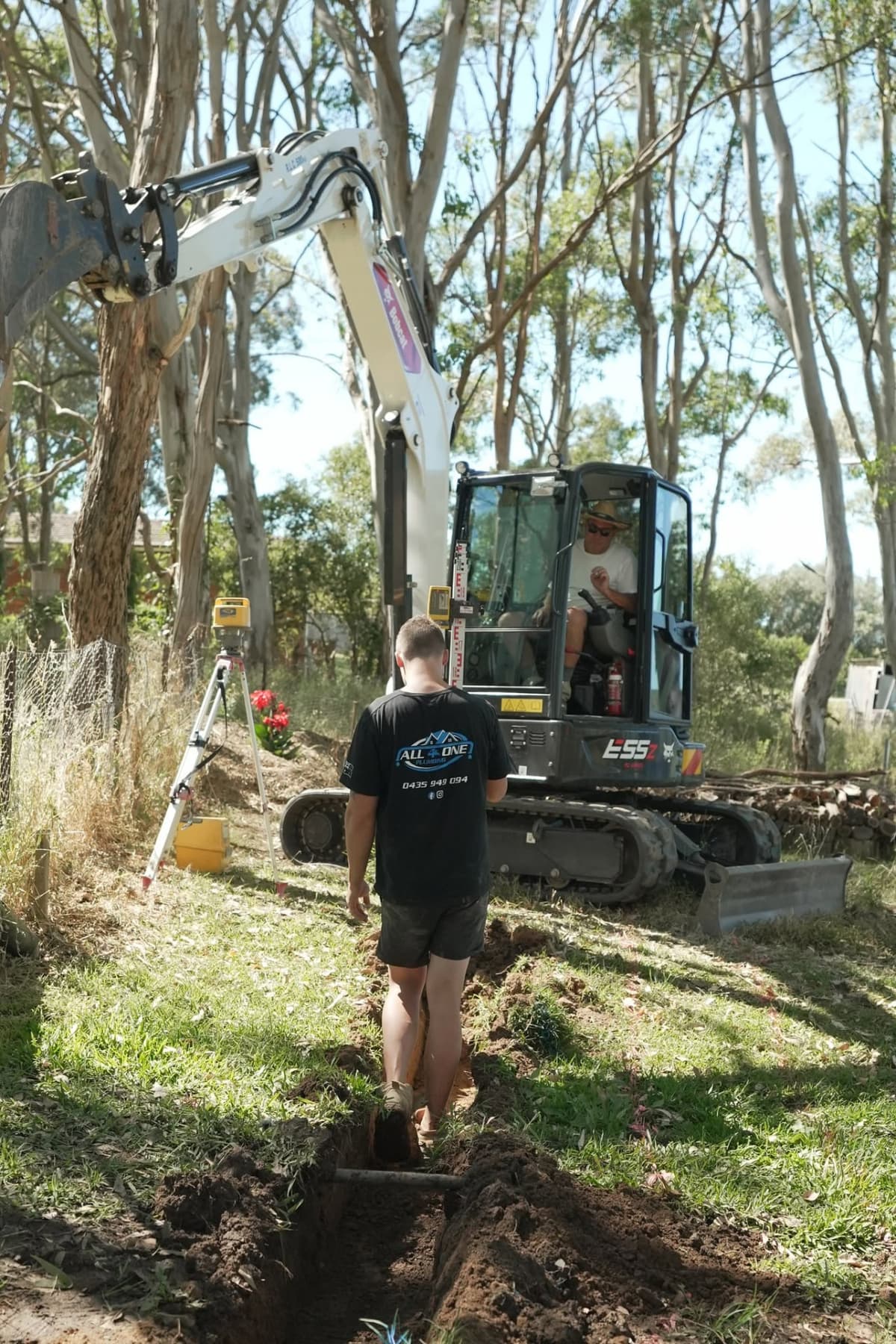
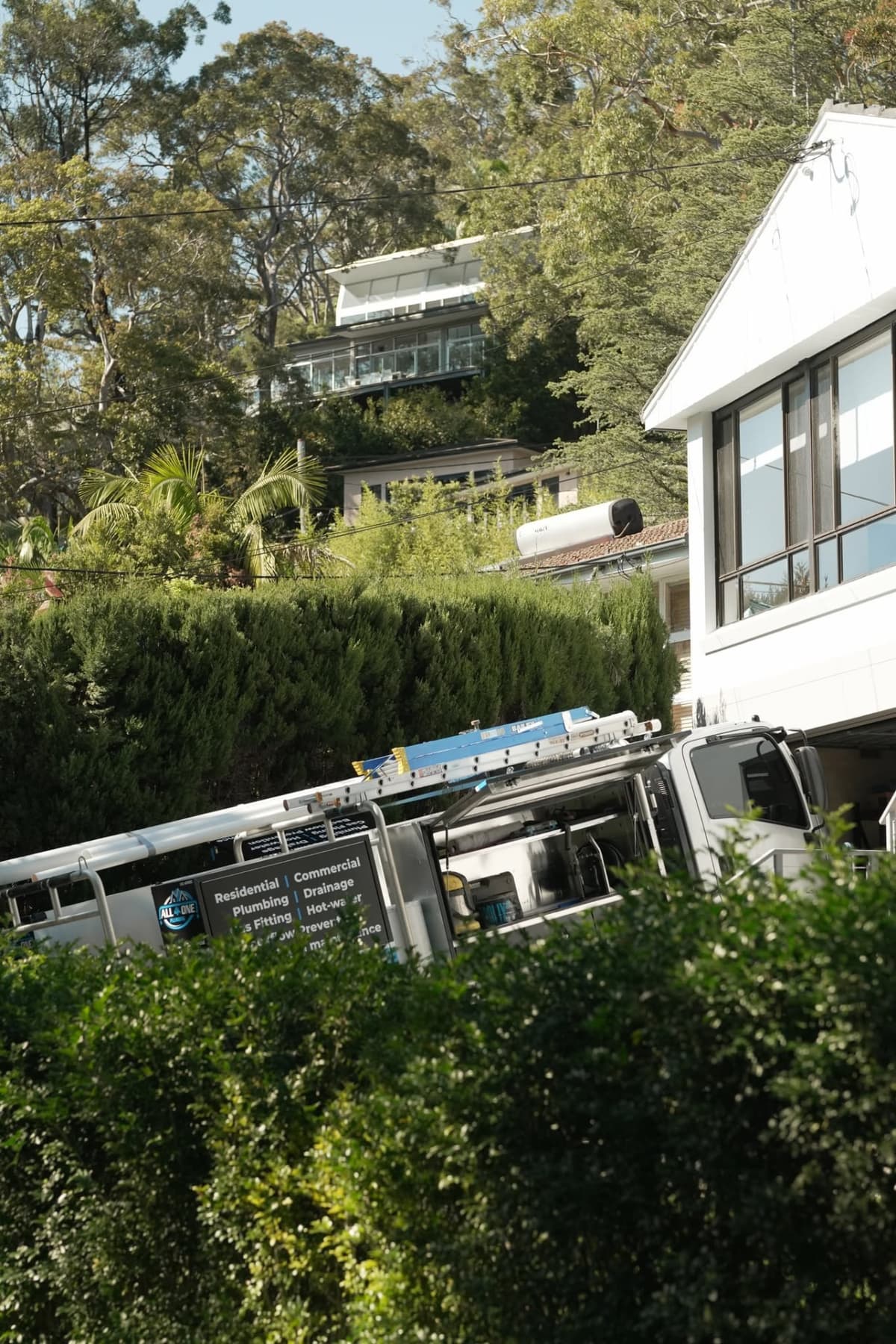
Fresh from the ute
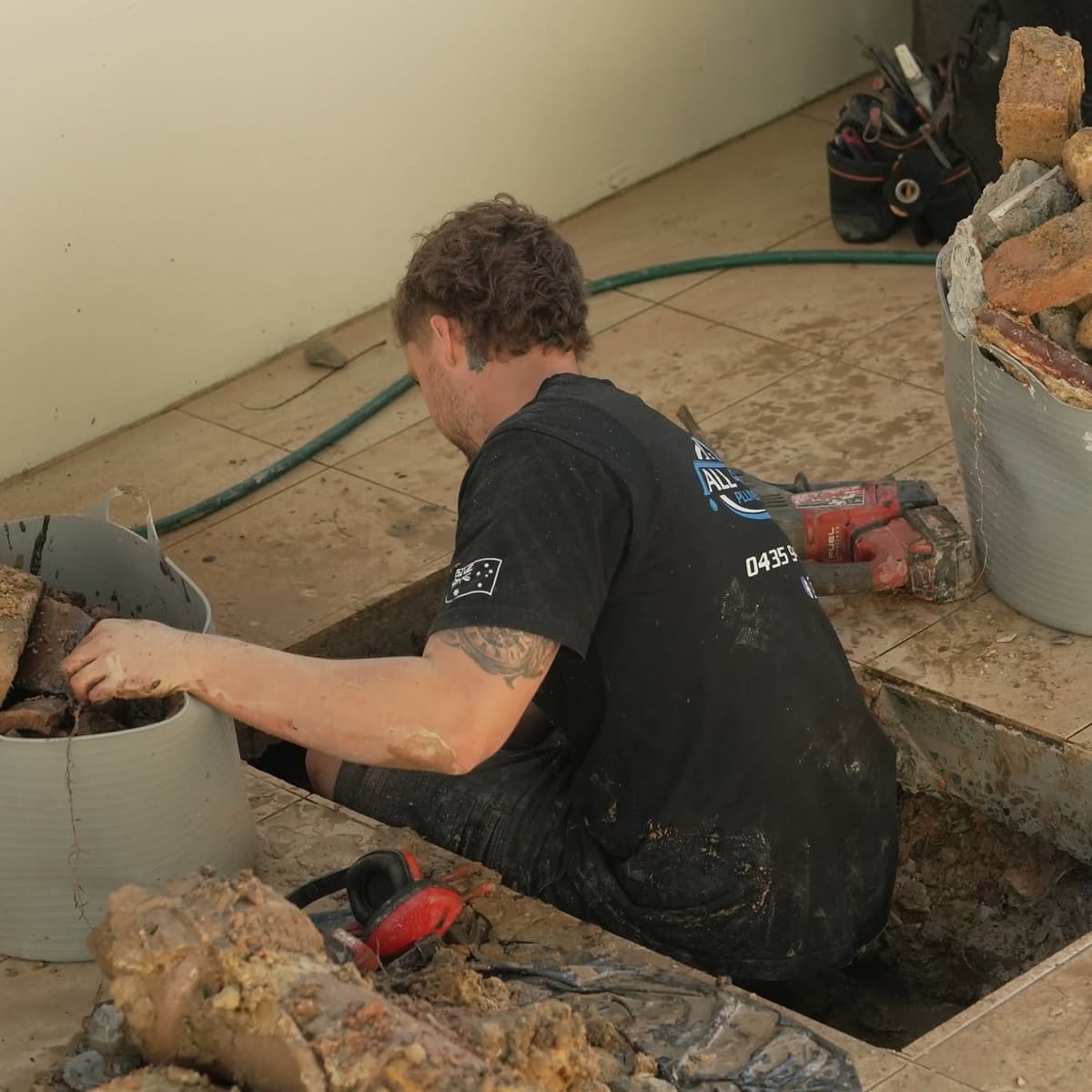
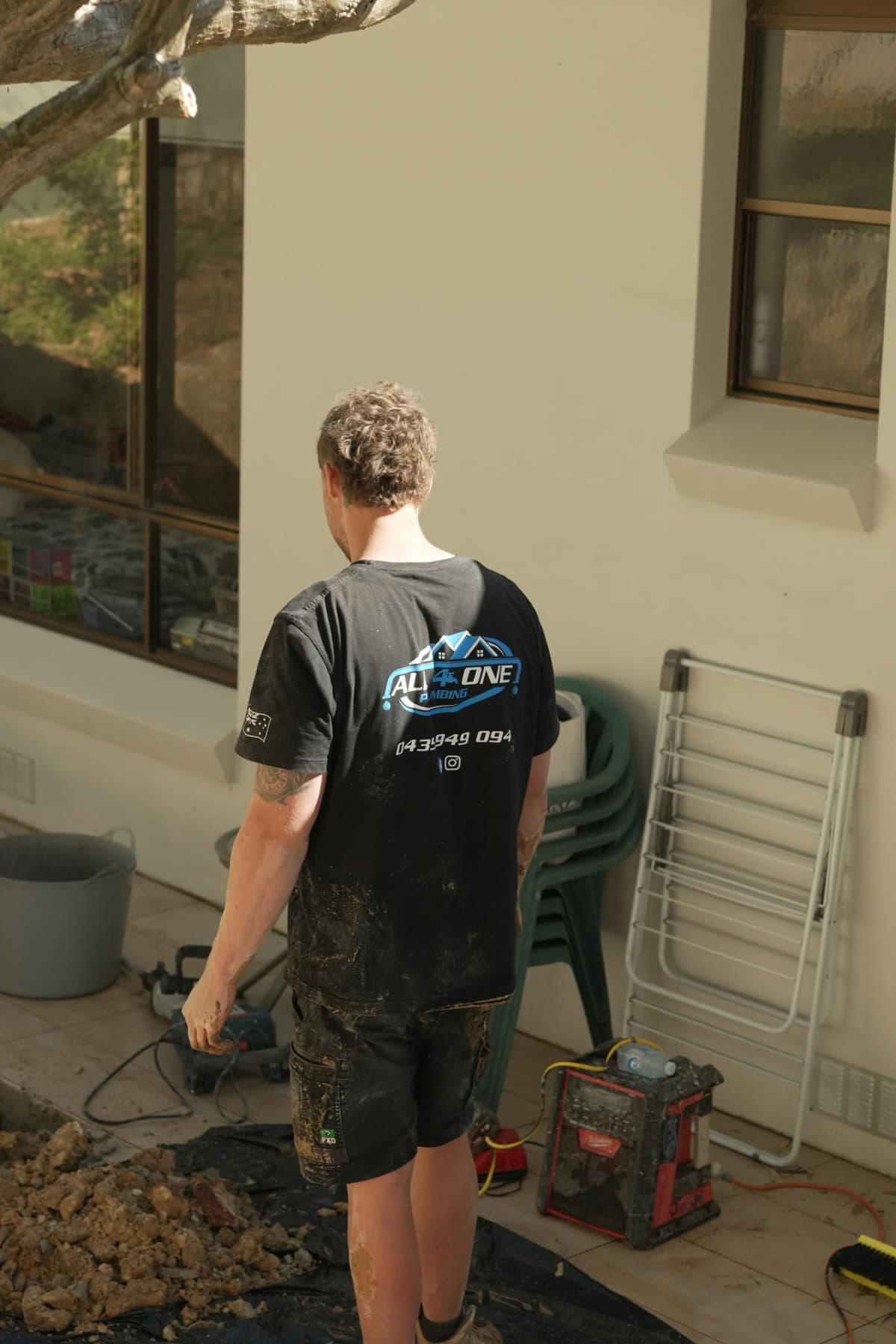
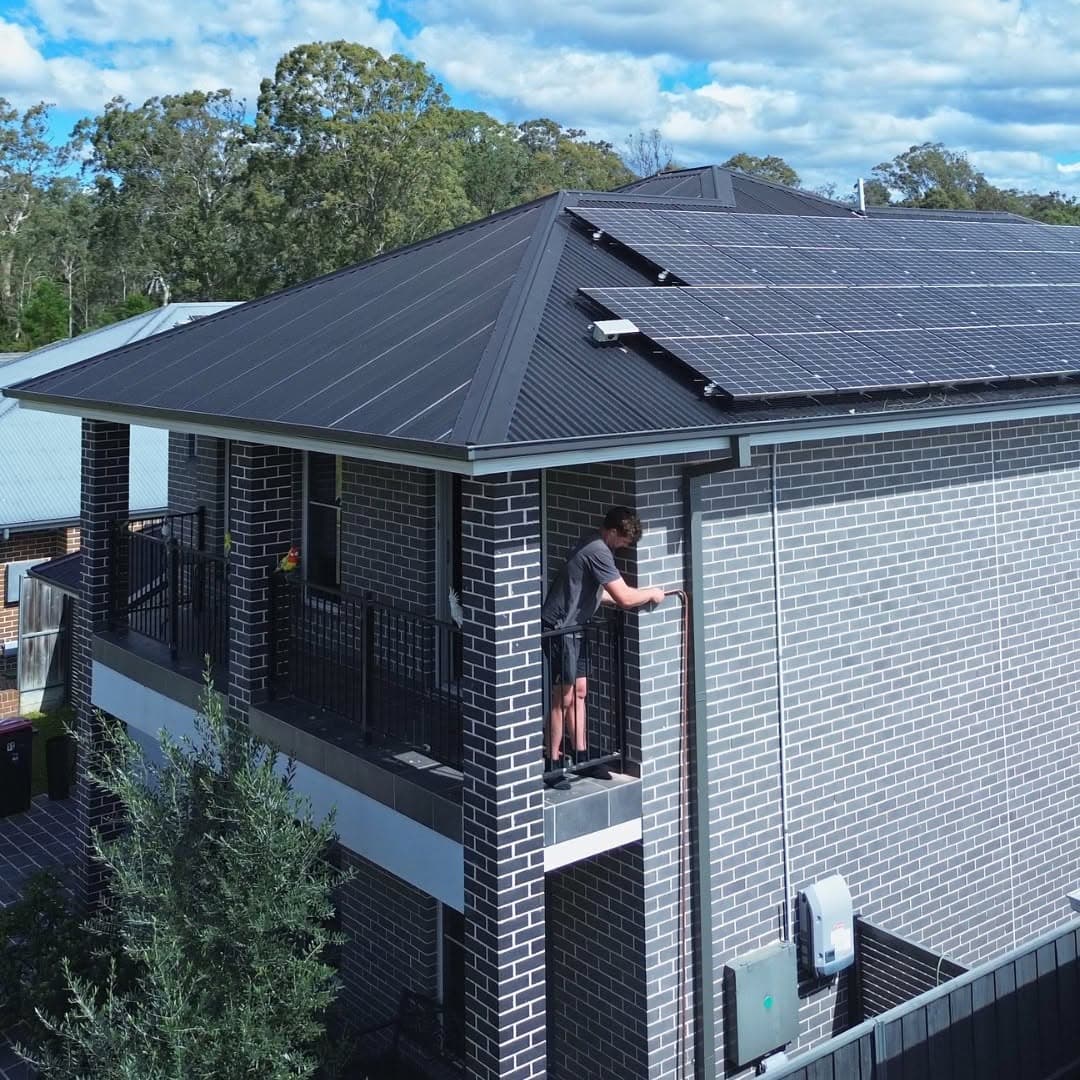
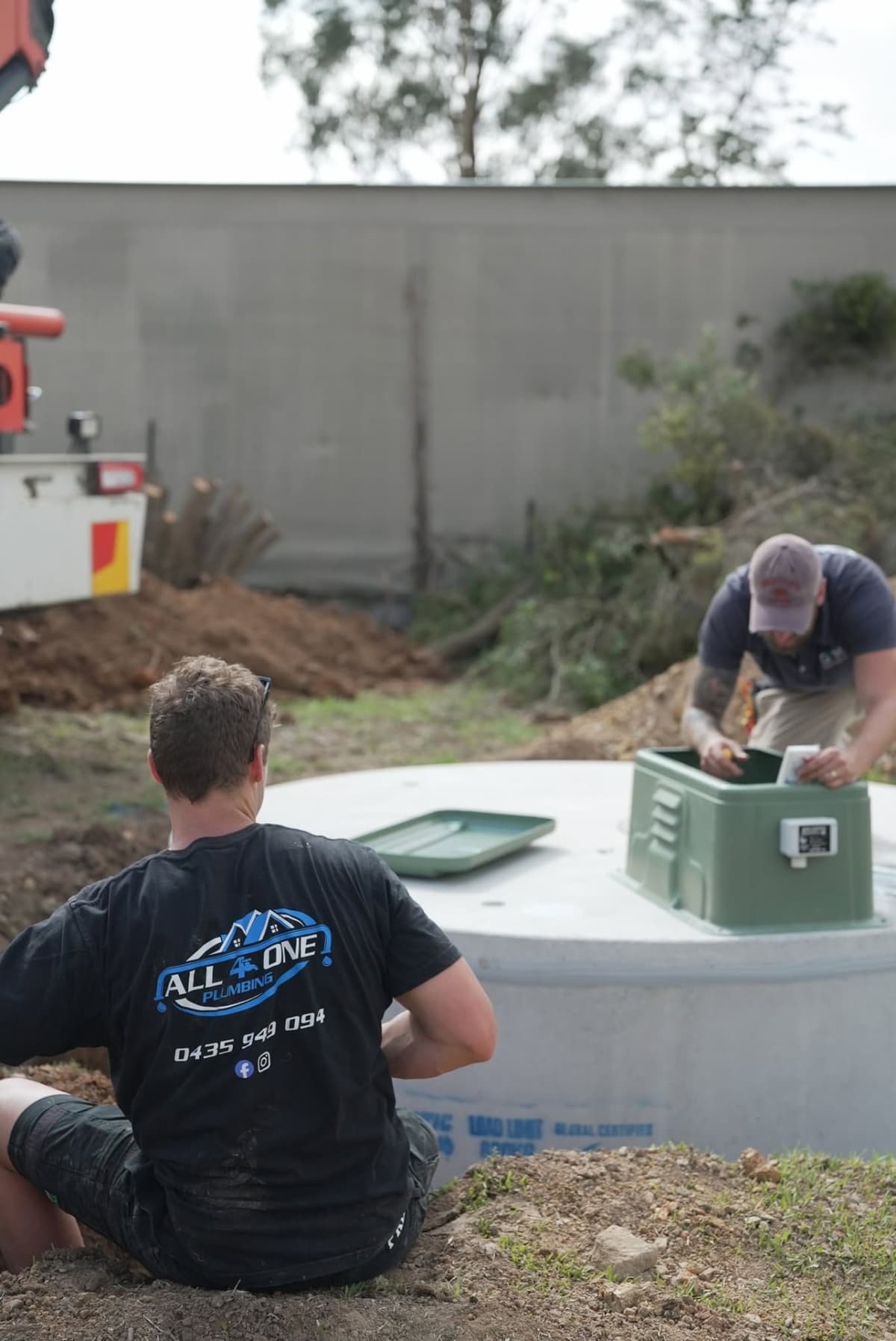
A look at the crew and their work around Western Sydney and the Blue Mountains.
No waiting around. No vague answers. Just a team ready to help.