Gas Plumber Prices: What Gas Fitting Costs in Western Sydney
Why Gas Fitting Pricing Questions Get a Different Answer From Me
I'm Joshua, I've been plumbing and gas fitting around Western Sydney for years, and I'll say this upfront: gas is the one part of this trade where I won't cut corners on the conversation, even if it costs me the job. If you smell gas right now, stop reading, turn off the supply at the meter if it's safe to do so, don't flick any light switches, get outside, and call a licensed gas fitter immediately — or if it's serious, call 000. Everything else in this article can wait five minutes.
Alright, assuming that's not you, let's talk pricing. Gas fitting is one of those trades where people genuinely struggle to find straight answers online, partly because prices vary a fair bit by job type, and partly because there are a lot of dodgy operators who'll quote cheap and then either do unlicensed work or pad the bill once they're in your kitchen. I want to give you real numbers and the context to understand them, so you can tell a fair quote from a dodgy one.
The One Thing That's Non-Negotiable: Licensing
In NSW, gas fitting work legally has to be done by a licensed gas fitter. This isn't bureaucratic box-ticking — it's because gas work done wrong can kill people, through fire, explosion, or carbon monoxide poisoning from a badly vented appliance. There's no DIY version of this trade, full stop, and anyone offering to do gas work on the cheap without a current licence is breaking the law and putting your household at genuine risk.
Every gas job should come with a Certificate of Compliance for gas work — ask for it. It's proof the work was done properly and signed off, and you'll need it for insurance purposes if anything ever goes wrong down the track. If a tradesperson can't or won't provide one, that's a serious red flag, not a minor oversight.
This matters for pricing too: licensed, insured gas fitters cost more per hour than an unlicensed handyman would charge, and that's exactly the point. You're not paying extra for nothing — you're paying for training, compliance, and insurance that actually protects you if something goes wrong.
What Does a Gas Fitter Cost Per Hour?
Across Western Sydney, licensed gas fitters and gasfitting plumbers typically charge $100 to $180 an hour, with call-out fees of roughly $100 to $200 for the first visit, higher on weekends, public holidays, or after hours. Many gas jobs are quoted as a fixed price though, since parts and appliance-specific requirements matter more to the total cost than raw labour time.
If you're calling around for quotes, ask whether the number you're given includes the compliance certificate, testing, and any council or gas authority notifications required — some operators quote low and then add these as extras, which isn't illegal, but it's not a transparent way to do business either.
Cooktop Installation Cost
This is one of the most common gas jobs I quote, especially with kitchen renovations happening across new estates in Penrith and the Nepean area and established homes getting kitchen upgrades throughout The Hills District.
- Straightforward cooktop swap, same position, existing gas point: $150–$350
- Cooktop installation requiring a new gas point or line extension: $350–$700
- Cooktop installation with isolation valve upgrade or regulator work: $400–$900
- Converting from electric to gas cooktop (new gas line run from meter or existing line): $600–$1,800+ depending on distance and access
- Freestanding gas oven/cooktop combo installation: $200–$450 for connection alone, more if gas supply isn't already in place
Gas Leak Repair Cost
Gas leaks get priced based on where the leak is and how accessible it is, but here's a rough guide based on typical jobs:
- Minor fitting or joint leak (detected early, easy access): $150–$400
- Appliance connection leak (cooktop, heater, hot water unit flexible hose or valve): $150–$350
- Underground or in-wall gas line leak: $400–$1,500+ depending on how much excavation or wall access is needed
- Full gas line replacement due to corrosion (older galvanised lines, common in homes 30+ years old): $1,000–$3,500+
- Emergency after-hours leak call-out: add $100–$250 on top of standard rates
Other Common Gas Jobs and What They Typically Cost
- Gas hot water system installation/replacement (like-for-like): $800–$2,200 including unit, varies by brand and capacity
- Gas hot water system installation (continuous flow upgrade from storage tank): $1,800–$3,500+
- Gas heater installation (wall furnace or ducted): $1,200–$4,000+ depending on system size and ductwork
- Gas point installation for BBQ or outdoor kitchen: $300–$800 depending on distance from meter
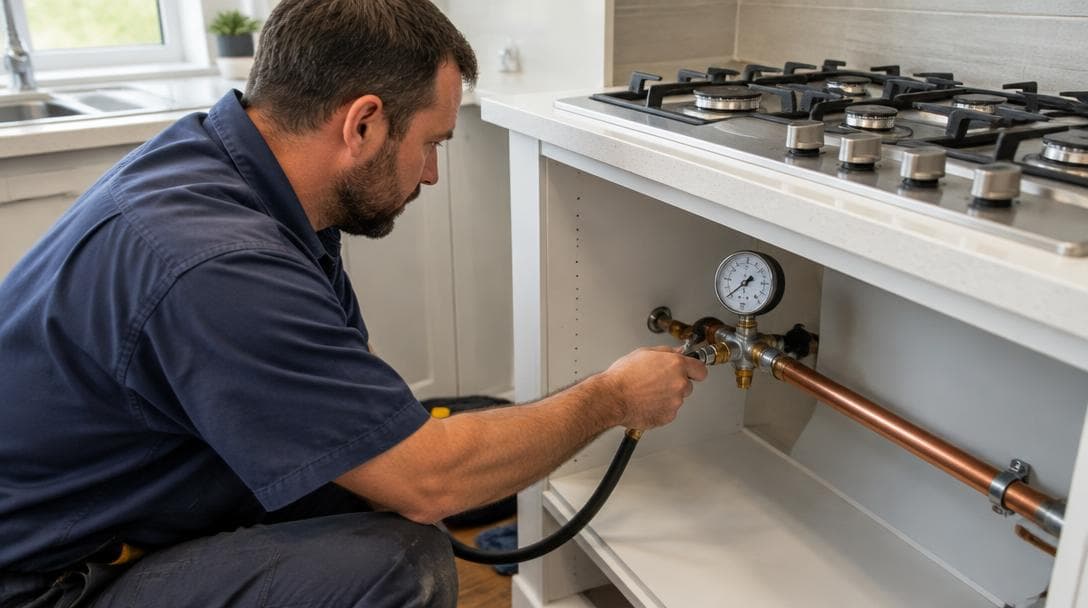
- Gas pressure testing and compliance check (common for pre-purchase inspections or real estate settlements): $150–$350
- New gas meter connection or upgrade (coordinating with the gas network provider): $500–$1,500, though some of this cost is the network provider's fee, not the plumber's
Why Gas Quotes Vary So Much Between Tradespeople
A few genuine reasons gas pricing swings around more than you'd expect. Distance from the meter matters a lot — running new gas line through a slab, under a house, or through brick veneer walls is a different job entirely to connecting to a gas point that's already sitting right where you need it.
Appliance type and brand also affects things; some premium cooktops and hot water systems have specific fitting requirements, additional ventilation needs, or manufacturer-mandated installation steps that add time. And house age plays a role too — older homes often have outdated gas line materials or undersized lines that need upgrading before a new appliance can even be connected safely, which isn't something you'd know about until a licensed fitter actually inspects it.
Access also counts for a lot. A hot water system tucked into a tight side alley between two houses takes longer to work on than one with open, easy access, and that time shows up in the quote.
Repair or Replace: When an Ageing Gas Appliance Should Go
This is a conversation I have constantly, especially with hot water systems and heaters. If a gas hot water unit is under 8 years old and has one isolated fault, repairing generally makes sense — a new thermocouple, pilot assembly, or valve is a fraction of replacement cost. Beyond about 10-12 years, especially if you've had more than one repair already, replacement is usually the smarter money decision, because the whole unit is approaching the end of its working life and you don't want to keep throwing repair money at something that's going to fail again soon anyway.
For hot water systems specifically, efficiency is also worth considering — a 12-year-old gas storage unit uses noticeably more gas than a modern continuous flow system, so sometimes the replacement pays for itself over a few years through lower bills, on top of avoiding the next breakdown.
Gas heaters are similar — old wall furnaces, especially ones installed before certain safety standard updates, are sometimes genuinely not worth repairing once a major component fails. A straight-up plumber will tell you honestly when that's the case rather than stringing along repairs on something that should be replaced.
Signs You Might Have a Gas Leak (And What to Do)
Most people know the obvious one — the distinctive rotten egg smell added to natural gas and LPG specifically so leaks are detectable. But there are other signs worth knowing: a hissing sound near a gas appliance or line, dead or discoloured vegetation over an underground gas line for no obvious reason, higher than usual gas bills without any change in usage, or a pilot light that keeps blowing out unexpectedly.
If you suspect a leak: don't use light switches, phones, or anything that could spark near the area. Turn off the gas at the meter if you can access it safely. Open doors and windows if you're able to on your way out. Get everyone outside and call a licensed gas fitter immediately — if it's severe, that's a 000 call, full stop.
This is one area of plumbing where being overly cautious costs you nothing but a bit of time, and being under-cautious can cost a lot more than money.
Choosing a Licensed Gas Fitter: Questions Worth Asking
- Can you show me your current gas fitting licence number? (You can verify these are valid — it's a reasonable ask)
- Will I get a Certificate of Compliance for this work?
- Is the quote fixed, or could it change once you're on site?
- Do you carry public liability insurance specific to gas work?
- How long have you been doing gas fitting specifically, not just general plumbing?
- What's the warranty on parts and labour for this job?
Red Flags That Should Make You Hang Up the Phone
Anyone offering to do gas work without a licence, or suggesting you don't need one for "small jobs" — there's no such exemption for actual gas fitting work, and this should be an instant no. Quotes that seem significantly below market for appliance installation are also worth questioning; proper gas work involves testing, certification, and compliance steps that take real time, and a price that skips all that is usually a price that skips the safety checks too.
Be wary too of anyone who wants cash only with no paperwork, no certificate, and no invoice. Beyond the obvious tax implications, it means you've got zero record that the work was done to standard if anything goes wrong later, and no compliance certificate to hand over if you sell the house or make an insurance claim.
Ways to Keep Gas Fitting Costs Reasonable (Without Cutting Corners)
- Bundle gas jobs together where you can — if you're already having a cooktop installed, get the fitter to check your other gas appliances and connections at the same time to save on a second call-out
- Get written fixed-price quotes for anything beyond a simple appliance swap, so there are no surprises
- Ask about specials around hot water or appliance installation — many gas fitters run seasonal offers, especially heading into winter for heating installs
- Keep your gas appliances serviced — a small annual service cost is cheaper than an emergency breakdown call-out and reduces the risk of a leak developing unnoticed. It also tends to catch small issues, like a worn seal or a slightly out-of-tune burner, well before they turn into an expensive breakdown or an unsafe appliance
- If you're renovating, plan gas point locations early with your plumber before walls are closed up — moving a gas line after the fact is far more expensive than planning it into the build
Gas Fitting Across Western Sydney: Local Considerations
A few things I've noticed doing gas work across different parts of the region. Older housing stock through parts of Blacktown and established pockets of The Hills District often still has original galvanised gas lines from decades ago, and these sometimes need partial or full replacement when a new appliance goes in, simply because the old pipe can't be safely reused or doesn't meet current standards.
Out toward the Hawkesbury and Riverstone, a good number of properties run on bottled LPG rather than mains natural gas, which changes some of the fittings and regulator requirements — worth mentioning this to whoever you call so they bring the right gear the first time. And newer estates around Penrith and the Nepean area generally have straightforward modern gas infrastructure, so installs tend to be quicker and cheaper than retrofitting an older home.
For strata or multi-unit buildings, gas work gets more complex because of shared meters, common property gas lines, and body corporate approval requirements — if that's your situation, it's worth a look at our strata and commercial page, since the process and costs differ from standard residential jobs.
Gas Line Extensions and New Installations: What Adds to the Price
If you're adding gas to a part of the house that's never had it before — a new outdoor kitchen, a garage heater, a second cooktop in a granny flat — the price is driven almost entirely by distance and access, not the appliance itself. Running a new line through an accessible subfloor is relatively quick. Running the same length through a concrete slab, brick veneer wall cavity, or tight roof space takes a lot longer and sometimes needs coring or chasing, both of which add real labour hours.
It's also worth checking early whether your existing gas meter and regulator can handle the extra appliance load. Adding a big ducted heater or a second cooktop to a line sized for one appliance sometimes means an upgrade to the meter or regulator is needed too, and that's a cost worth knowing about before you commit to a renovation budget.
A Real Job: The "She'll Be Right" Gas Bayonet
A customer in Riverstone called me last winter after noticing his gas bill had crept up noticeably over a few months with no real change in habits. He'd had a mate — a builder, not a gas fitter — disconnect and reconnect an outdoor BBQ bayonet point a while back when he'd re-paved the patio, and it had seemed fine, no smell, no hissing, nothing obvious.
Turned out there was a slow leak at that exact fitting, just not enough to produce a strong smell outdoors where it dissipated quickly. A proper pressure test found it straight away. It wasn't a dramatic story — nobody was hurt, nothing exploded — but it's exactly the kind of quiet, invisible risk that makes gas different to every other trade on this site. It cost him more in wasted gas over those months than a licensed reconnection would have cost in the first place, and that's before you even factor in the actual safety risk.
If you take one thing from this story: anything involving a gas point, however small it looks, needs a licensed gas fitter and a proper test afterward. There's genuinely no shortcut version of that rule.
A Quick Word on DIY and Gas: Just Don't
I mentioned this earlier but it's worth its own section because I still get asked. No, you cannot legally disconnect and reconnect a gas appliance yourself, even something as simple-looking as swapping a BBQ bayonet fitting on a built-in gas point. No, a plumber mate who's not specifically gas-licensed can't do it for cash on the side, legally. And no, YouTube tutorials don't change any of this.
I get that it feels like overkill for something that looks simple. But gas fittings that look fine to the eye can still leak slowly, and a poorly reconnected appliance is one of the more common causes of gas incidents in homes. It's genuinely not worth the risk to save a couple of hundred dollars.
The Bottom Line on Gas Fitting Costs
Small jobs — connecting a cooktop to an existing gas point, fixing a minor fitting leak — typically land in the $150–$400 range. Mid-size jobs like hot water system replacement or installing a new gas point usually run $600–$2,000. Bigger jobs — full gas line upgrades, heater installations, or converting a home from electric to gas — can run from $1,500 well into the thousands depending on scope.
The one thing I'd say above all else: don't shop gas fitting purely on price. This is the one trade where the cheapest quote can genuinely put your household at risk if it's not done to standard. Check the licence, ask for the compliance certificate, and get a couple of quotes from people who are upfront about what's included.
If you need a licensed gas fitter for anything from a leak to a new appliance connection, get in touch and we'll give you a straight answer on what your specific job needs. And if you're budgeting across a few different plumbing jobs at once, our guides on how much does a plumber cost and emergency plumber costs are worth a read too. You can also check our testimonials or browse the rest of the blog for more Western Sydney-specific pricing guides.
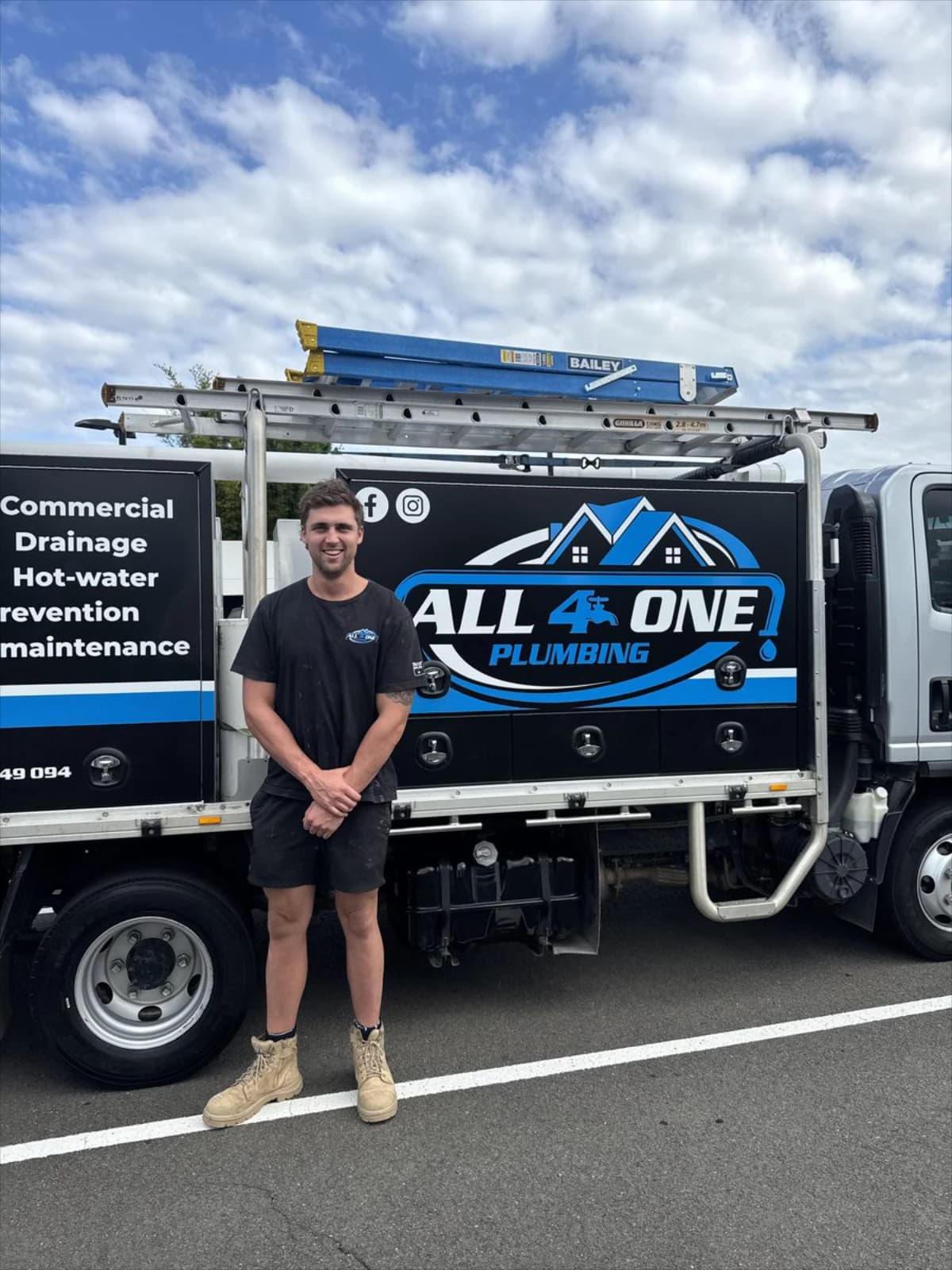
Joshua
Joshua is the licensed plumber behind Plumber Western Sydney. He's spent years on the tools across Western Sydney, the Blue Mountains and Lithgow — everything from midnight burst pipes to full bathroom rough-ins. He writes these guides the way he talks on a job: straight answers, honest prices, and no upselling.
Need a licensed gas fitter?
A plumber answers 24/7, and you'll know the price before we start.