Hot Water System: Repair or Replace? How to Decide
Start with the symptom, not the system
Most hot water problems have a cause that points at a small part, not the whole unit. Working out which symptom you have is the fastest way to know whether you're facing a repair or a replacement.
- Hot water that fades or turns lukewarm mid-shower: usually a thermostat or element on an electric system, or a burner or thermocouple fault on gas.
- No hot water at all: a tripped breaker, a failed element, a pilot or ignition fault, or a gas supply problem.
- Water pooling around the tank, or running from its body: usually the tank itself has failed.
- Rusty or discoloured hot water: corrosion inside the tank or pipework.
- Banging or rumbling from the tank: sediment build-up on the element or tank floor.
- A relief valve pipe that runs steadily: possible overpressure, or a failing valve.
When a repair makes sense
If the tank is sound and the fault is a replaceable part, a repair is usually the better value. Thermostats, heating elements, relief valves, thermocouples, ignition systems and leaking connections can all be fixed without replacing the unit. A repair also makes sense when the system is relatively young, still suits your household and is under warranty.
When replacement is the better call
A leaking tank body can't be repaired, because the leak is the tank wearing through. Heavy corrosion and rusty water point the same way. Age matters too: most storage tanks last roughly 8 to 12 years, so an older system that keeps failing is often a case of paying to delay the inevitable.
Sizing is the other common reason to replace. If the household has grown, or you've added bathrooms, a system that coped before may now run out, and fixing a part won't change that.
Choosing between system types
Each type suits a different home, and none is best for everyone.
- Gas continuous flow heats water as you use it, so it doesn't run out, and needs a suitable gas supply.
- Gas storage heats a tank in advance and suits homes with gas already connected.
- Electric storage is simple to install but is generally the most expensive to run.
- Heat pumps use far less electricity than a standard electric system, but need outdoor space and are less efficient on very cold days.
- Solar uses roof space and works best with good sun and a booster for cloudy days.
Safety rules worth knowing
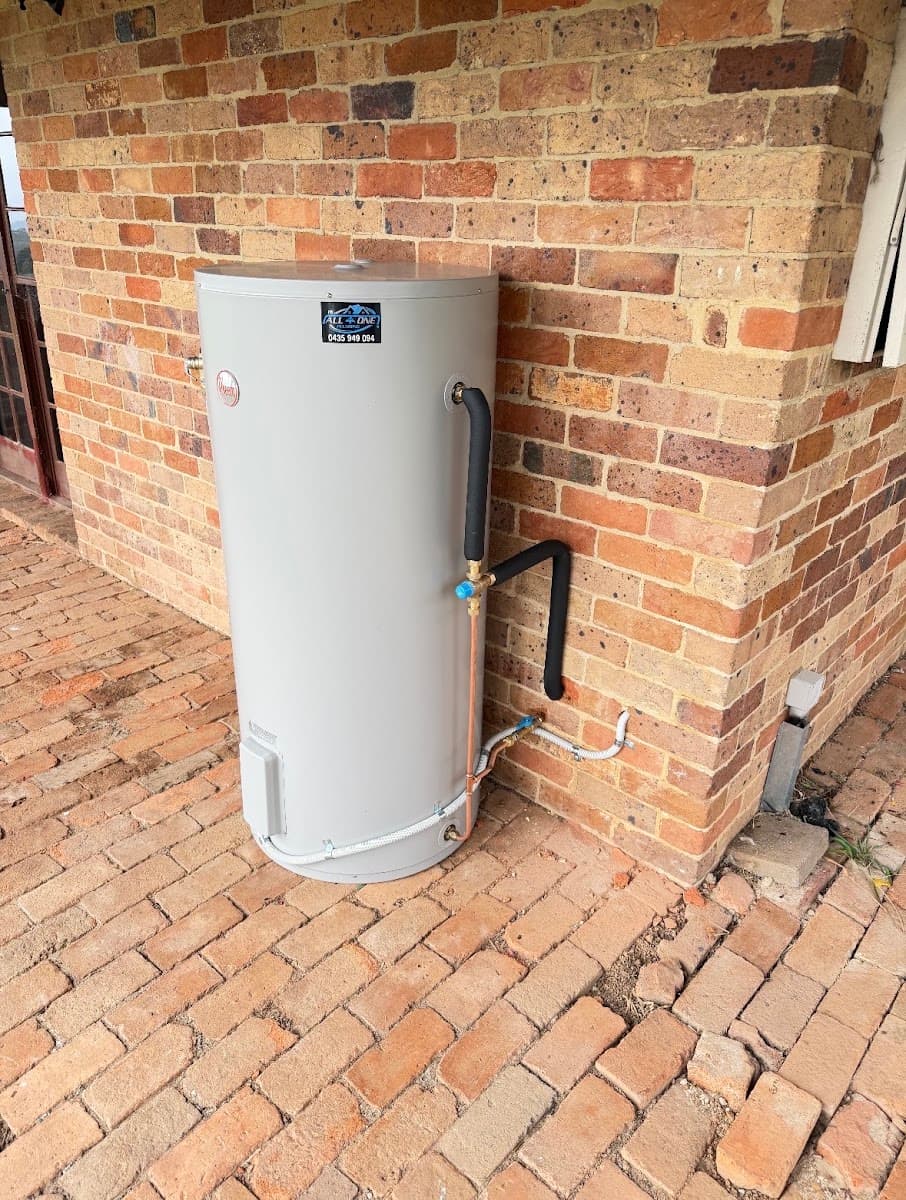
In NSW, water delivered to most bathrooms must not exceed 50°C, which is why a tempering valve or thermostatic mixing valve is fitted when a system is installed or replaced. The limit is lower, 45°C, in places such as aged care, schools and early childhood centres. Storage tanks themselves are kept hotter, at 60°C or above, so bacteria such as Legionella can't grow.
Hot water work involves gas, electricity and pressurised water, so it needs licensed tradespeople. Gas connections need a licensed gas fitter, and NSW requires a licence for any plumbing, drainage or gasfitting work.
If it fails tonight
If a tank is leaking or you've lost hot water at a bad time, these steps limit the damage:
- Turn off the power or gas supply to the unit.
- Turn off the cold water supply to the unit, using the isolation valve beside it.
- Don't block or cap the relief valve or its drain pipe.
- Take photos if there's water damage, then call a plumber.
Questions to ask before you agree to anything
- What exactly has failed, and can you show me?
- Is the tank itself sound?
- What's the realistic remaining life if we repair it?
- If we replace it, is the new system the right size for how we use hot water?
- Does the quote include removing the old unit and the tempering valve?
Next steps
If you'd like an honest answer on your system, see our hot water repairs and replacement page, or get in touch. For typical prices, our guide to what a plumber costs in Western Sydney covers hot water repair and replacement ranges.

Joshua
Joshua is the licensed plumber behind Plumber Western Sydney. He's spent years on the tools across Western Sydney, the Blue Mountains and Lithgow — everything from midnight burst pipes to full bathroom rough-ins. He writes these guides the way he talks on a job: straight answers, honest prices, and no upselling.
No hot water?
A plumber answers 24/7, and you'll know the price before we start.