How to Find a Hidden Water Leak: The Meter Test and What Comes Next
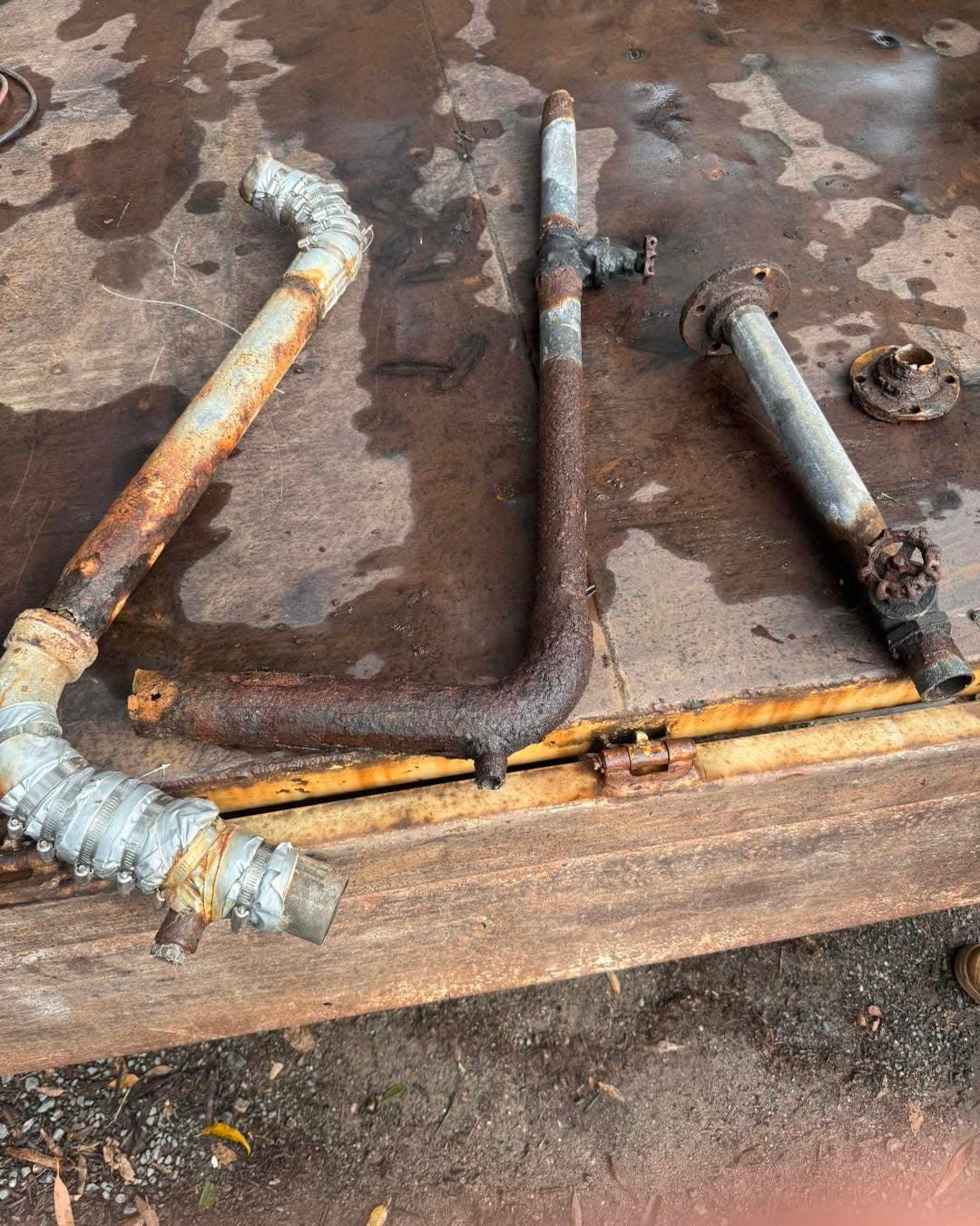
Signs of a hidden leak
- A water bill that has jumped with no change in how you use water.
- A water meter that keeps moving when everything is off.
- Damp, musty smells in a room with no obvious source.
- Paint bubbling, plaster stains or warped skirting boards.
- Warm patches on a floor, which can point to a hot water pipe leaking under a slab.
- The sound of running water when no tap is on.
The meter test
This is the simplest check, and it takes a few minutes:
- Turn off every tap and appliance, including the dishwasher, washing machine and irrigation.
- Find your water meter, usually near the front boundary, and note the reading or watch the dial.
- Wait ten to fifteen minutes without using any water, then check again.
- If the reading has changed or the dial is moving, water is escaping somewhere.
If you're on tank water
There's no meter to watch, but there are other clues. Listen for the pressure pump starting when no tap is open, and check the tank level over a day with no use. A pump that keeps cycling, or a tank that drops faster than your usage explains, points to a leak.
Narrowing down where it is
On a large property, check the obvious places first: outdoor taps, hoses and irrigation connections, then the supply line to sheds and outbuildings. Indoors, look for damp around the base of walls, under sinks and around the hot water system. If you've turned off the hot water system's isolation valve and the meter stops moving, the leak is likely on the hot side.
How a plumber finds it
Plumbers use acoustic detection, which listens for the sound of escaping water along a pipe, and pressure testing, which isolates sections of pipework to see which one is losing pressure. These let us pinpoint the leak before anything is opened up, so a hole is cut only where it's needed, which matters most with leaks in walls and under slabs.
Don't wait on it
A small leak compounds. Water gets into timber, plasterboard and flooring, and it can create mould and electrical risks. If you've confirmed a leak, turn off the water at the main if it's serious and call a plumber, and photograph any damage for your insurer. Sudden escapes of water are often covered by insurance, while gradual leaks and wear and tear often aren't, so check your policy.
Next steps
See our burst and leaking pipes page, or get in touch. For typical prices, our guide to what a plumber costs to fix a leak covers leak detection and repair.

Joshua
Joshua is the licensed plumber behind Plumber Western Sydney. He's spent years on the tools across Western Sydney, the Blue Mountains and Lithgow — everything from midnight burst pipes to full bathroom rough-ins. He writes these guides the way he talks on a job: straight answers, honest prices, and no upselling.
Think you have a leak?
A plumber answers 24/7, and you'll know the price before we start.